





























Healthy skin is often overlooked until a problem develops. For older adults, however, protecting the skin is an essential part of maintaining independence, preventing hospitalizations, and preserving quality of life. Pressure ulcer prevention is key for seniors.
Pressure ulcers, also known as pressure injuries or bedsores, are one of the most common preventable health concerns affecting older adults who have limited mobility or spend long periods sitting or lying down. While they may begin as a small area of redness, pressure ulcers can quickly progress into serious wounds that require extensive medical treatment.
The encouraging news is that most pressure ulcers are preventable. By understanding the causes, recognizing early warning signs, staying active, maintaining good nutrition, and working with rehabilitation professionals, seniors can dramatically reduce their risk.
At H2 Health Senior Services, our mission is to help seniors remain healthy, active, and independent. Through personalized physical therapy, occupational therapy, and speech therapy, we partner with senior living communities, physicians, nursing staff, caregivers, and families to help prevent complications like pressure ulcers while improving overall health and function.
What Is a Pressure Ulcer?
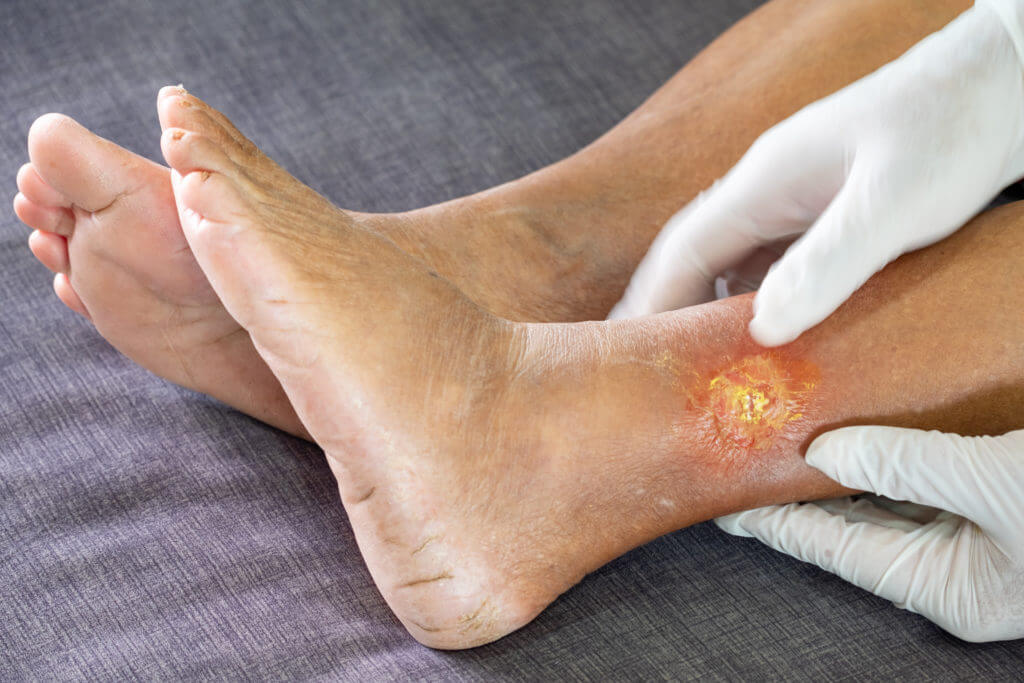
A pressure ulcer is an area of damaged skin and underlying tissue that develops when constant pressure limits blood flow to part of the body.
Without adequate circulation, skin cells do not receive enough oxygen and nutrients. Over time, the affected tissue begins to break down, creating an open wound that may become infected.
Pressure ulcers most commonly develop over bony areas where there is very little cushioning between the skin and bone.
Common locations include:
– Tailbone (sacrum)
– Heels
– Hips
– Ankles
– Elbows
– Shoulder blades
– Back of the head
– Knees (when resting together)
– Ears (for individuals who spend extended time on their sides)
Why Are Seniors More Vulnerable?
Aging naturally changes the skin.
As we grow older:
– Skin becomes thinner.
– Fat padding decreases.
– Blood circulation slows.
– Healing takes longer.
– Muscle mass declines.
– Mobility often decreases.
Many older adults also live with chronic medical conditions that further increase the risk of skin breakdown. These changes make prevention especially important.
Who Is Most at Risk for Pressure Ulcers?
Anyone can develop a pressure ulcer, but certain individuals have a significantly higher risk.
Risk factors include:
– Limited mobility
– Wheelchair use
– Bed rest
– Recent surgery
– Recovery after hospitalization
– Stroke
– Parkinson’s disease
– Multiple sclerosis
– Diabetes
– Peripheral vascular disease
– Poor circulation
– Incontinence
– Dehydration
– Malnutrition
– Low body weight
– Obesity
– Cognitive impairment
– Dementia
– Difficulty communicating pain
– Smoking history
Having several risk factors at once greatly increases the likelihood of developing pressure injuries.
The Four Stages of Pressure Ulcers
Understanding the stages helps emphasize why early intervention matters.
Stage 1
The skin remains intact but appears red or discolored.
The area may feel:
– Warm
– Cool
– Firm
– Soft
– Tender
This is the easiest stage to reverse.
Stage 2
The skin begins to break open.
You may notice:
– A blister
– A shallow open sore
– Pink or red wound tissue
Prompt treatment is important.
Stage 3
The wound extends deeper into fatty tissue beneath the skin.
Healing becomes more difficult and infection risk increases.
Stage 4
The deepest and most serious stage.
Damage may extend into:
– Muscle
– Tendons
– Ligaments
– Bone
Stage 4 pressure ulcers often require months of treatment and significantly increase the risk of hospitalization.
Early Warning Signs You Should Never Ignore
Pressure ulcers rarely appear suddenly.
Watch for:
– Persistent redness
– Purple or dark discoloration
– Warm or cool areas
– Swelling
– Skin hardness
– Soft, boggy skin
– Complaints of pain
– Burning sensations
– Tingling
– Blisters
– Drainage
– Broken skin
The earlier these signs are recognized, the easier treatment becomes.
15 Pressure Ulcer Prevention Tips
1. Change Positions Frequently
Pressure relief is the most important prevention strategy. Even small movements improve circulation. General recommendations include:
– Shift weight every 15–30 minutes while seated.
– Reposition every two hours in bed.
– Avoid remaining in one position for prolonged periods.
2. Stay Physically Active Every Day
Movement stimulates blood flow throughout the body. Physical activity improves strength, endurance, and independence. Examples include:
– Walking
– Chair exercises
– Standing exercises
– Gentle stretching
– Balance training
– Resistance exercises
– Water exercise (when available)
– Daily walking programs
3. Perform Pressure Relief Exercises
Simple exercises while sitting can reduce prolonged pressure, increase circulation, and reduce stiffness. Examples include:
– Leaning side to side
– Leaning forward
– Seated marches
– Heel raises
– Ankle pumps
– Shoulder rolls
4. Inspect Your Skin Daily
Daily skin checks allow problems to be identified early. Use a mirror or ask a caregiver for assistance if needed. Pay close attention to:
– Heels
– Tailbone
– Hips
– Ankles
– Elbows
– Back
– Shoulder blades
5. Keep Skin Clean and Dry
Moisture weakens the skin. Cleanse gently using mild soap and warm—not hot—water. Pat the skin dry rather than rubbing.
6. Moisturize Dry Skin
Dry, cracked skin breaks down more easily. Use fragrance-free moisturizers regularly unless otherwise directed by your healthcare provider.
7. Eat a Balanced Diet
Healthy skin requires proper nutrition. Focus on foods rich in:
– Protein: especially important because it supports tissue repair and healing
– Vitamin C
– Zinc
– Vitamin A
– Vitamin E
– Iron
8. Stay Hydrated
Dehydrated skin is less elastic and more prone to injury. Drink water regularly throughout the day unless your physician has placed you on fluid restrictions.
9. Manage Chronic Health Conditions
Conditions like diabetes and vascular disease affect circulation and healing. Following your physician’s treatment plan helps protect your skin.
10. Use Pressure-Relieving Cushions and Mattresses
Specialized cushions and mattresses help distribute pressure more evenly. Healthcare professionals can recommend equipment appropriate for your needs.
11. Wear Properly Fitting Clothing
Choose soft, breathable clothing that reduces friction. Avoid:
– Tight seams
– Thick wrinkles
– Buttons beneath the body
– Rough fabrics
12. Avoid Dragging Across Bedding
Sliding across sheets creates friction and shear, which can damage the skin. Use draw sheets or ask for assistance during transfers whenever possible.
13. Improve Sitting Posture
Proper posture distributes body weight more evenly. Occupational and physical therapists can recommend positioning techniques and supportive seating.
14. Report Pain Immediately
Pain often develops before visible skin damage. Never ignore discomfort over bony areas.
15. Participate in Rehabilitation Therapy
Therapy is one of the most effective ways to reduce pressure ulcer risk because it addresses the root cause—limited mobility.
How Physical Therapy Helps Prevent Pressure Ulcers
Physical therapists focus on improving movement and reducing prolonged pressure.
Treatment may include:
– Strength training
– Balance exercises
– Walking programs
– Transfer training
– Bed mobility
– Wheelchair positioning
– Endurance training
– Flexibility exercises
– Fall prevention
– Home exercise programs
The stronger and more mobile someone becomes, the less time they spend in pressure-producing positions.
How Occupational Therapy Helps Protect Skin
Occupational therapists help seniors perform everyday activities safely while protecting vulnerable skin.
They may recommend:
– Adaptive equipment
– Pressure-relieving cushions
– Proper wheelchair positioning
– Energy conservation
– Safe bathing techniques
– Dressing modifications
– Transfer techniques
– Home and room safety recommendations
– Daily skin inspection routines
Their goal is to help seniors remain independent while emphasizing pressure ulcer prevention.
How Speech Therapy Supports Pressure Ulcer Prevention
Speech-language pathologists play an important role that many people don’t expect. If swallowing becomes difficult, seniors may unintentionally eat and drink less.
Speech therapists evaluate and treat:
– Swallowing disorders (dysphagia)
– Safe eating techniques
– Hydration strategies
– Nutrition recommendations
– Communication challenges that make it difficult to report discomfort or pain
Better nutrition and hydration support healthy skin and faster healing.
Healthy Habits Today Can Prevent Serious Problems Tomorrow
Pressure ulcers are largely preventable, and small daily habits can make a significant difference. Staying active, changing positions regularly, eating nutritious meals, drinking enough fluids, checking your skin every day, and participating in therapy all are great pressure ulcer prevention strategies.
At H2 Health Senior Services, we are committed to helping seniors maintain their highest level of function and quality of life. Our licensed physical therapists, occupational therapists, and speech-language pathologists provide compassionate, evidence-based care directly within senior living communities, eliminating the need for residents to travel for therapy appointments.
We work closely with nursing staff, caregivers, physicians, and families to develop personalized treatment plans that improve mobility, increase strength, reduce fall risk, support safe swallowing and nutrition, enhance daily function, and help prevent complications such as pressure ulcers.
Whether recovering from an illness, managing a chronic condition, or simply striving to stay active and independent, our team is here to help every step of the way.
Take the First Step Toward More Movement
If you or someone you love is at risk of a pressure ulcers, H2 Health Senior Services can help. Our experienced therapists bring individualized treatment, caregiver education, and ongoing support directly to seniors in their homes and senior living communities.
Contact H2 Health Senior Services today to schedule an evaluation and discover how personalized speech therapy can help make every meal safer, more enjoyable, and more confident—because everyone deserves the ability to eat, drink, and connect with others with dignity.


