





















DRY NEEDLING
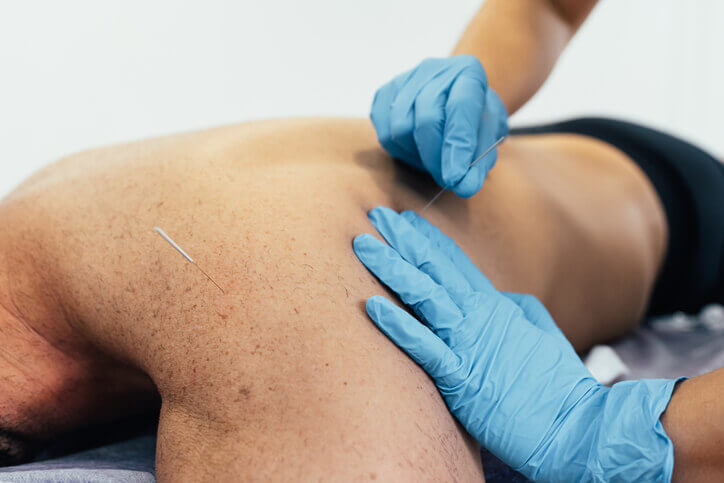
Dry needling is a specialized treatment offered by the licensed physical therapists at Advanced Physical Therapy to help reduce muscle pain, improve movement, and restore function. Using thin, sterile filiform needles, therapists target tight muscle bands and trigger points that may contribute to pain, stiffness, weakness, and movement limitations.
Patients throughout Little Rock, North Little Rock, Maumelle, and Conway choose dry needling as part of a comprehensive physical therapy treatment plan for acute injuries, chronic pain, sports injuries, and musculoskeletal conditions.

Little Rock
North Little Rock
SOMA
Carti
Maumelle
Conway
What Is Dry Needling?
Dry needling is a physical therapy technique used to treat myofascial trigger points, often described as muscle knots. These sensitive areas within muscles can contribute to pain, reduced flexibility, weakness, and altered movement patterns.
By inserting a thin needle into the affected tissue, a physical therapist can help:
- Reduce muscle tension
- Improve blood flow
- Improve range of motion
- Decrease pain
- Restore muscle function
- Support the healing process
- Improve overall movement quality
Dry needling is often combined with therapeutic exercise, manual therapy, stretching, and movement retraining for optimal results.
Conditions Commonly Treated with Dry Needling
Dry needling may be beneficial for individuals experiencing:
Neck and Back Pain
- Chronic neck pain
- Low back pain
- Muscle spasms
- Postural pain
- Tension-related pain
- Sciatica-related muscular tightness
Shoulder and Upper Extremity Conditions
- Rotator cuff pain
- Shoulder impingement
- Frozen shoulder
- Tennis elbow
- Golfer's elbow
Sports Injuries
- Muscle strains
- Running-related injuries
- Overuse injuries
- Sports-related muscle tightness
- Performance-related mobility limitations
Hip, Knee, and Leg Pain
- Hip pain
- Gluteal dysfunction
- IT band irritation
- Hamstring tightness
- Quadriceps dysfunction
- Calf tightness
Headaches and Jaw Pain
- Tension headaches
- Cervicogenic headaches
- TMJ-related muscle dysfunction
What Are Trigger Points?
Trigger points are hyperirritable areas within muscle tissue that may cause localized pain or pain that radiates to other parts of the body. They often develop due to:
- Repetitive movement
- Sports participation
- Poor posture
- Stress
- Muscle overuse
- Injury
- Prolonged sitting
Many patients describe trigger points as "muscle knots." Treating these areas may help restore normal muscle function and reduce discomfort.
Is Dry Needling the Same as Acupuncture?
No. Although both techniques use thin needles, dry needling and acupuncture are based on different treatment philosophies.
Dry needling is performed by specially trained physical therapists and is based on modern anatomy, biomechanics, neuroscience, and musculoskeletal medicine. Treatment targets specific muscles, connective tissues, and trigger points associated with pain and movement dysfunction.
Acupuncture is rooted in traditional Chinese medicine and focuses on restoring balance through stimulation of meridian points.
Does Dry Needling Hurt?
Most patients tolerate dry needling very well.
You may feel:
- Brief pressure
- Mild soreness
- Muscle twitch responses
- Temporary aching after treatment
These responses are often normal and can indicate the targeted muscle tissue has been engaged. Many patients report improved mobility and reduced symptoms shortly after treatment.
How Many Dry Needling Treatments Will I Need?
Treatment frequency varies based on:
- The condition being treated
- Symptom duration
- Overall health
- Activity level
- Individual response to treatment
Many patients begin noticing improvements within the first several treatment visits, although response times vary.
Why Choose Advanced Physical Therapy?
Patients choose Advanced Physical Therapy because we offer:
- Experienced physical therapists
- Individualized treatment plans
- Evidence-informed care
- Orthopedic and sports rehabilitation expertise
- Multiple convenient Arkansas locations
- Direct access physical therapy
Our goal is to help patients move better, recover faster, and return to the activities they enjoy.
Frequently Asked Questions
Dry needling is generally safe when performed by a properly trained physical therapist using sterile, single-use needles.
Dry needling is commonly used alongside physical therapy to address muscle tension, trigger points, and movement dysfunction associated with back pain.
Many athletes use dry needling as part of a rehabilitation program to improve mobility, reduce muscle tension, and support recovery.
Some patients report relief after their first treatment, while others may require multiple visits depending on their condition.
Maintenance dry needling may be available for individuals who have previously completed therapy and experience symptom flare-ups.

Advanced Physical Therapy is proud to be part of the H2 Health network, a nationwide family of rehabilitation clinics committed to delivering high-quality, patient-centered care. By being backed by H2 Health, Advanced Physical Therapy benefits from shared clinical expertise, advanced continuing education, and access to innovative treatment approaches that elevate the patient experience. This connection allows the team to combine the personalized attention of a local clinic with the strength, resources, and support of a larger organization, ensuring patients receive consistent, evidence-based care designed to help them recover stronger and maintain long-term wellness.


