
















Pediatric Therapy in Harker Heights, TX
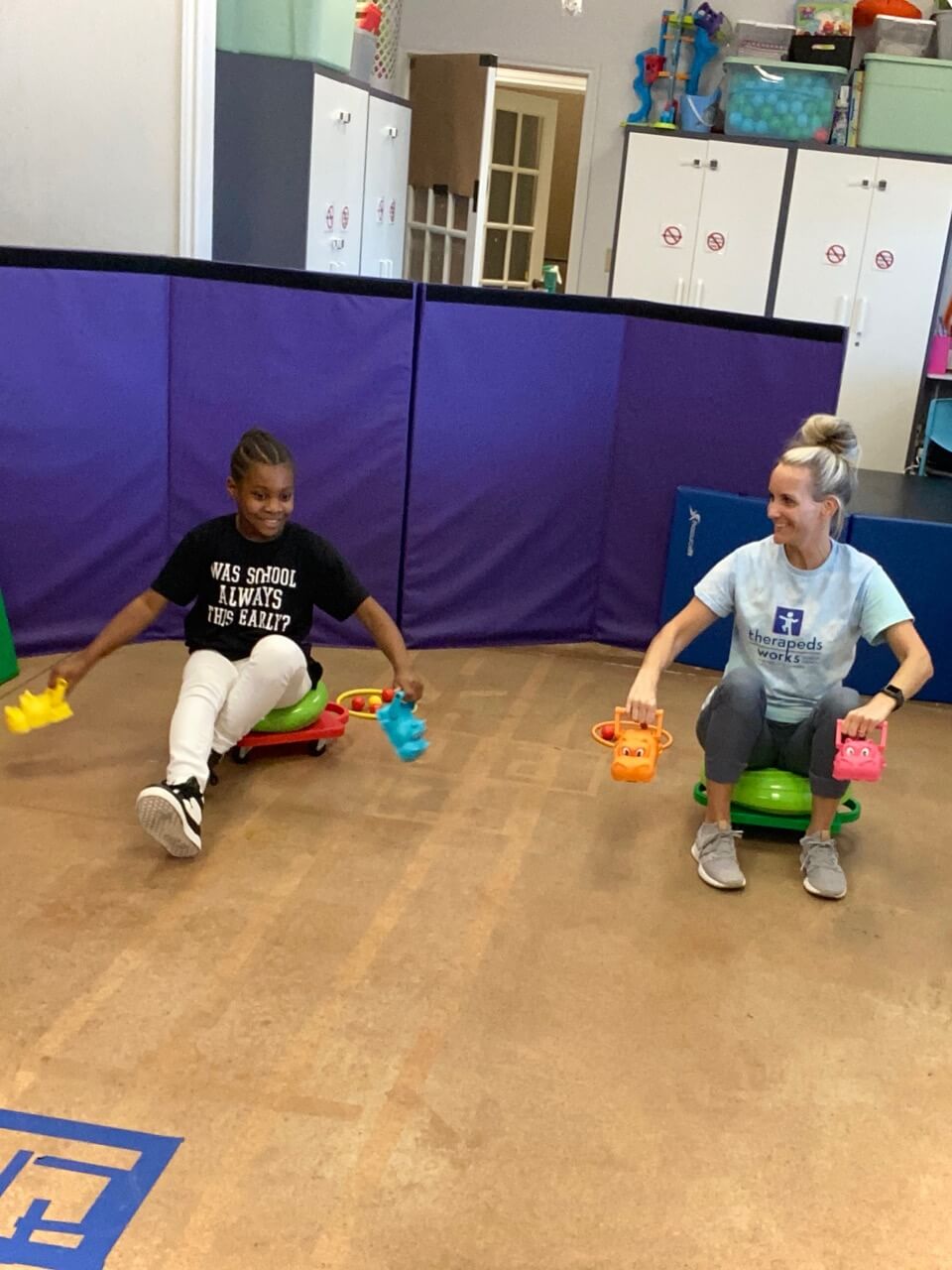
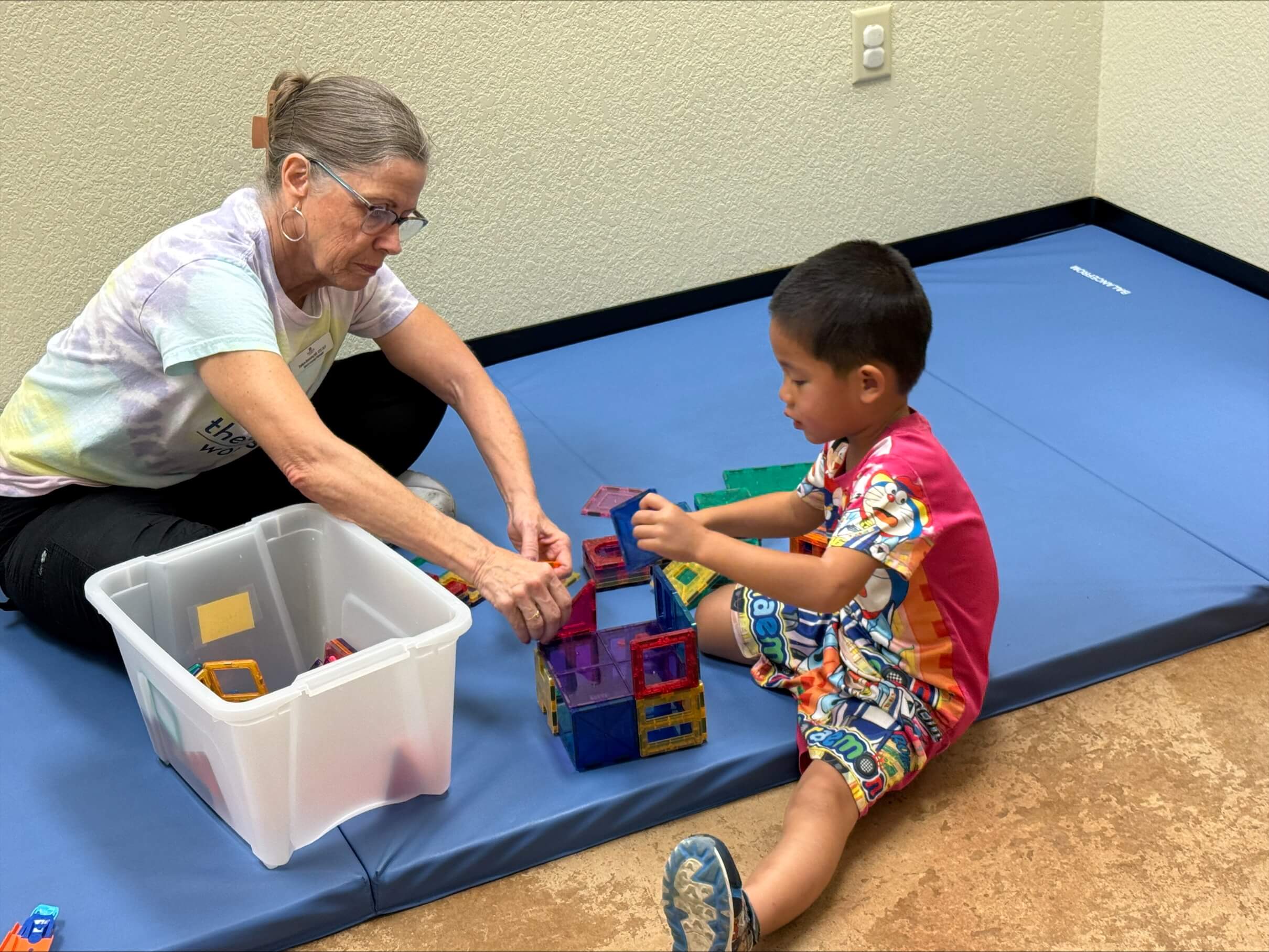
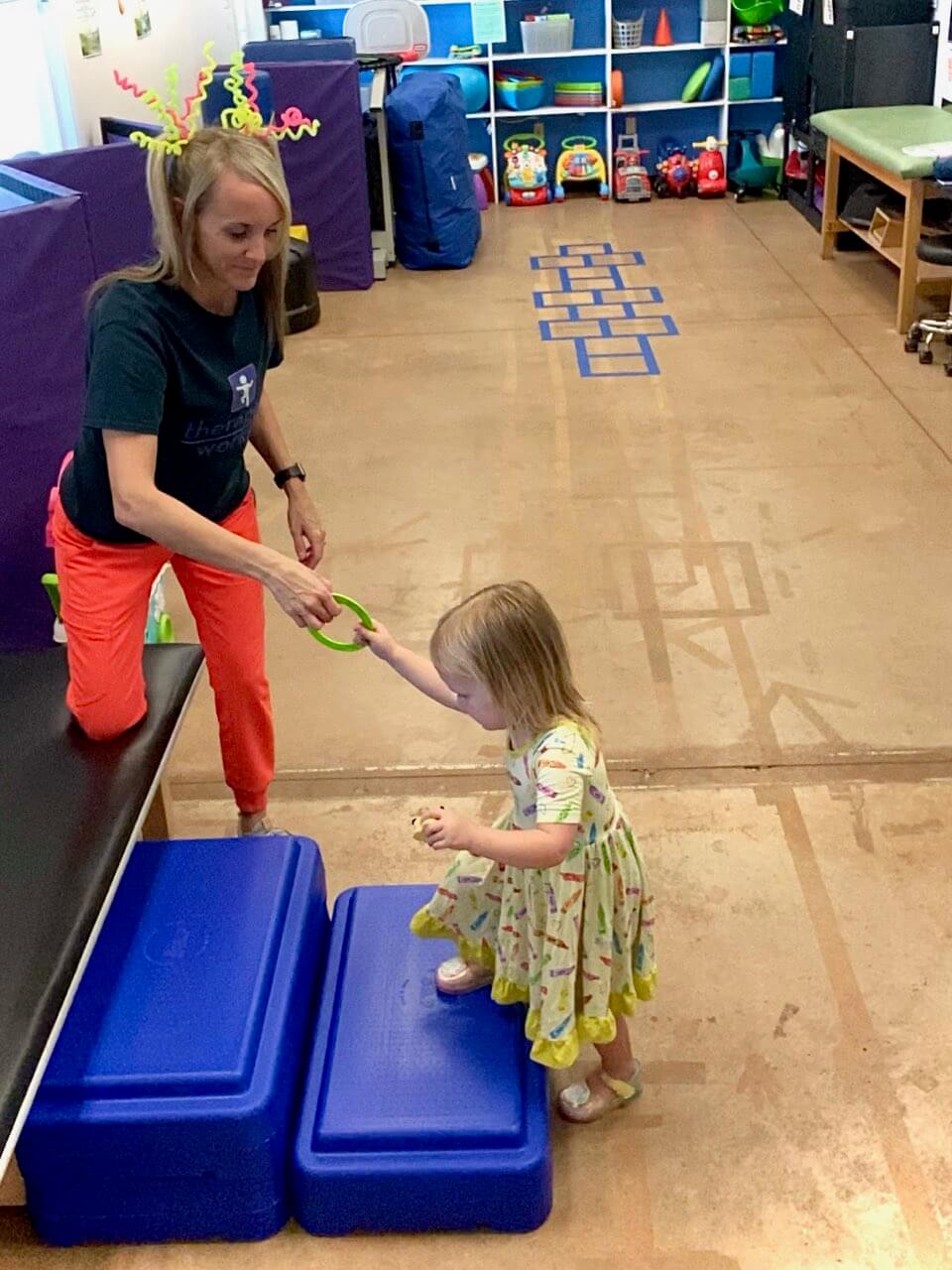
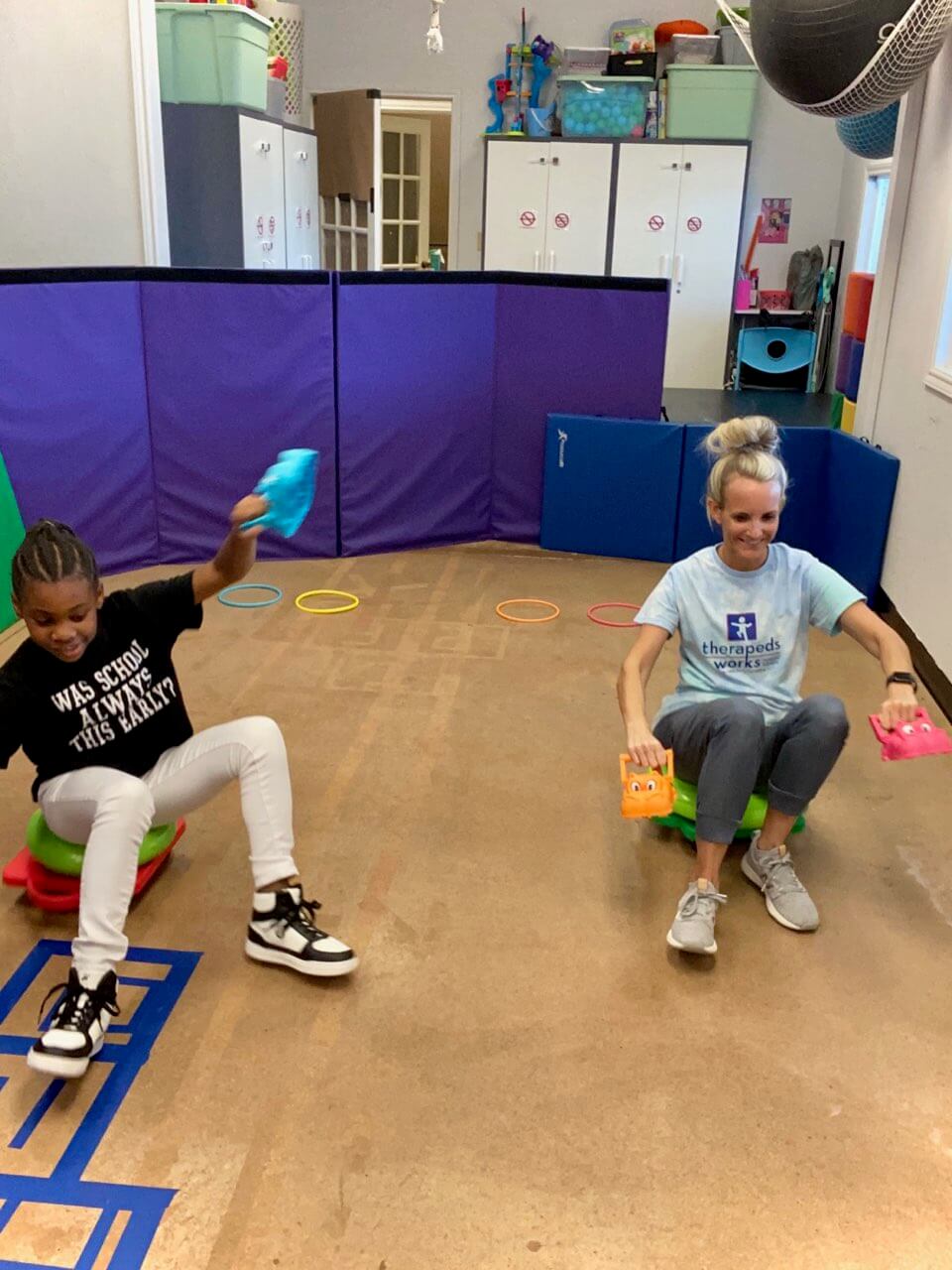
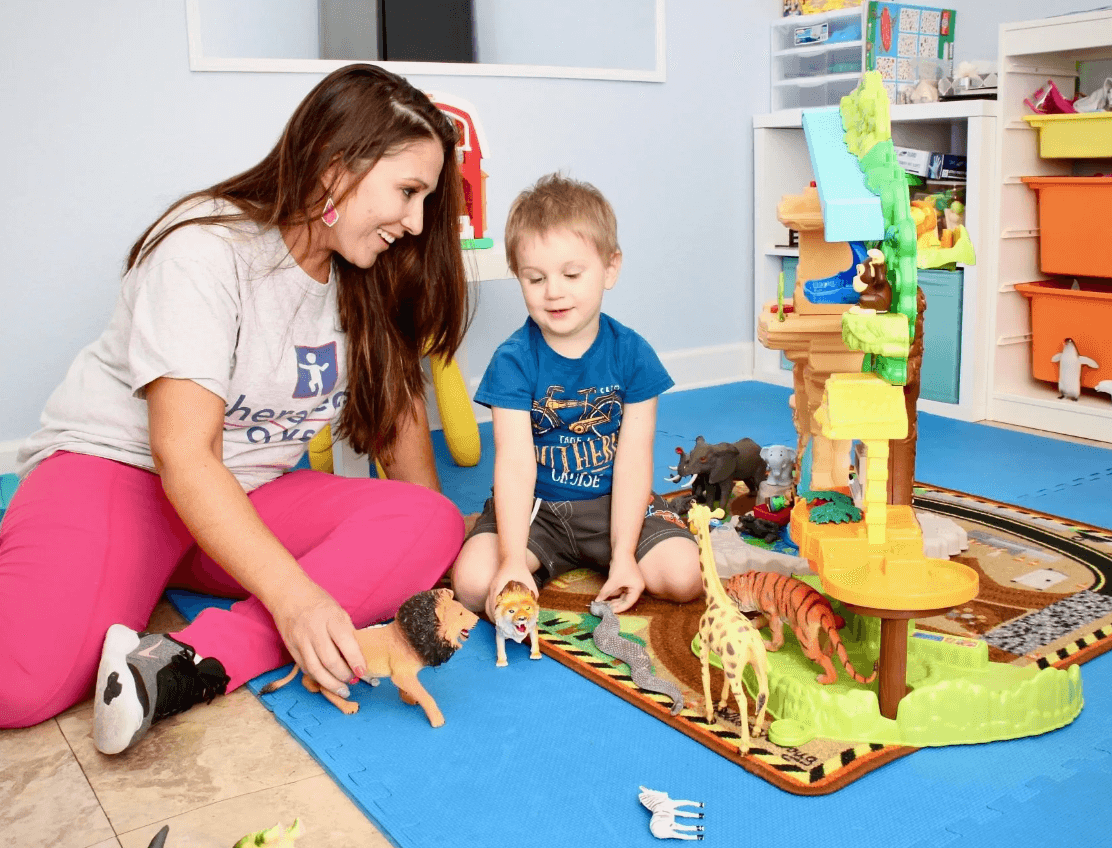
At Therapeds Works in Harker Heights, TX, we believe that children thrive through play-based learning. Our clinic offers personalized, one-on-one pediatric therapy for children from birth through age 17, in a fun, supportive, and family-centered environment. We provide pediatric occupational therapy, pediatric speech therapy, and ABA therapy services—all designed to help children build confidence, develop new skills, and reach their fullest potential. Our compassionate and highly trained therapists are passionate about empowering kids and supporting families every step of the way. We’re honored to be a part of your child’s journey and look forward to helping them grow, play, and succeed.

AEIOU Trained Therapists For Feeding
Our occupational therapy team is AEIOU® Certified Therapists who specialize in responsive pediatric feeding therapy. The AEIOU Approach® (Acceptance, Exposure, Independence, Observation, and Understanding) is an evidence-informed framework that helps children and families build positive, confident relationships with food. It supports each child’s unique sensory, motor, and emotional needs while promoting trust and enjoyment at the table.
Through the AEIOU Approach®, we help families create calm, connected mealtimes where children can explore food at their own pace. She supports the development of foundational feeding skills—such as oral-motor coordination, sensory comfort, and participation in shared meals—while honoring each child’s individuality and readiness.
Neuro- Developmental Techniques (NDT)
Our occupational therapy team in Harker Heights is NDT Certified. This means that they have specialty training hours in the handling and facilitation of the postural system to positively influence the motor and sensory systems of children with neurological disabilities and sensory processing deficits related to neuromotor deficits. Neurodevelopment Techniques (NDT) can be effective in the treatment of the following diagnosis:
- Cerebral Palsy
- Braichial Plexus (Ebr’s palsy)
- Brain Injuries from birth to acquired
- Stroke (in utero or post utero)
- Neuro-musculoskeletal dysfunctions
- Down Syndrome or other genetic conditions causing hypotonia