























As we age, maintaining independence, safety, and quality of life becomes increasingly important. For many seniors, adaptive equipment plays a key role in supporting daily activities—from getting dressed to moving safely around the home.
At H2 Health Senior Living, we believe the right tools, combined with expert guidance from physical and occupational therapy, can empower older adults to live confidently and comfortably.
What Is Adaptive Equipment?
Adaptive equipment includes tools, devices, or modifications designed to help individuals perform everyday tasks more easily and safely. These tools are especially helpful for seniors experiencing:
- Reduced mobility
- Balance challenges
- Arthritis or joint pain
- Recovery after surgery or injury
- Neurological conditions
Common Types of Adaptive Equipment and How They Help
1. Mobility Aids
Examples: Walkers, canes, rollators, wheelchairs
How they help:
Mobility aids provide stability, reduce fall risk, and allow seniors to move independently. For example, a walker offers full-body support, while a cane can assist with mild balance issues.
Best for:
- Fall prevention
- Post-surgery recovery
- Weakness or balance impairments
2. Bathroom Safety Equipment
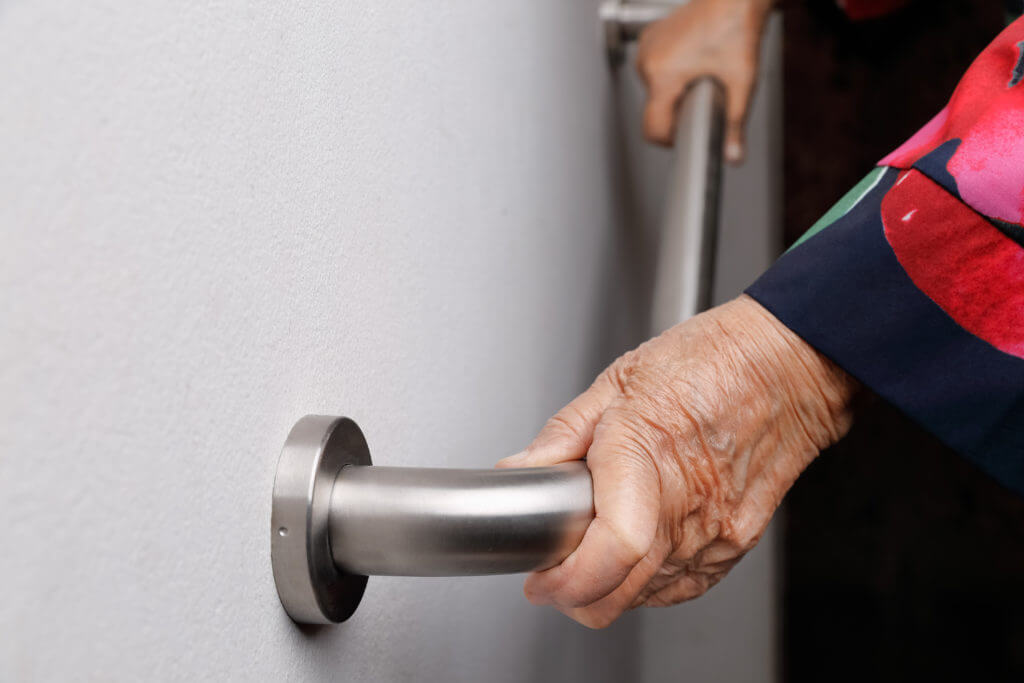
Examples: Grab bars, shower chairs, raised toilet seats, non-slip mats
How they help:
The bathroom is one of the most common places for falls. These tools provide support and reduce strain when sitting, standing, or stepping in and out of the tub.
Best for:
- Limited strength or balance
- Arthritis
- Post-operative care
3. Dressing and Grooming Aids
Examples: Long-handled shoehorns, sock aids, button hooks, electric toothbrushes
How they help:
These tools reduce the need for bending, reaching, or fine motor coordination, making personal care easier and less frustrating.
Best for:
- Limited flexibility
- Hand weakness
- Shoulder or hip restrictions
4. Kitchen and Eating Aids
Examples: Adaptive utensils, jar openers, non-slip cutting boards
How they help:
They improve grip, control, and safety when preparing meals or eating, especially for those with arthritis or tremors.
Best for:
- Reduced hand strength
- Coordination difficulties
5. Transfer and Positioning Devices
Examples: Bed rails, lift chairs, transfer benches
How they help:
These devices assist with moving safely from one position to another—such as from bed to standing—while reducing caregiver strain.
Best for:
- Limited mobility
- High fall risk
- Post-hospitalization recovery
How Physical and Occupational Therapy Help
Adaptive equipment is most effective when paired with professional guidance. That’s where physical therapy (PT) and occupational therapy (OT) come in.
Occupational therapists focus on helping seniors perform activities of daily living (ADLs), such as dressing, bathing, and cooking. They help by:
- Recommending the right adaptive tools
- Teaching proper use of equipment
- Modifying the home environment for safety
- Improving fine motor skills and coordination
Physical therapists focus on movement, strength, and balance. They help by:
- Training seniors to safely use mobility aids
- Improving walking ability and posture
- Reducing fall risk through targeted exercises
- Building strength and endurance
Can Therapy Reduce the Need for Adaptive Equipment?
In some cases, yes. While adaptive equipment is essential for safety and independence, it doesn’t always have to be a permanent solution. With consistent therapy, some seniors can:
- Improve strength and balance
- Regain mobility after injury or surgery
- Transition from a walker to a cane—or from a cane to independent walking
- Perform daily tasks with less assistance
The goal at H2 Health Senior Living is always to maximize independence while ensuring safety. Sometimes that means introducing equipment; other times, it means gradually reducing reliance on it as function improves.
Choosing the Right Equipment: What to Consider
Not all adaptive equipment is one-size-fits-all. The right choice depends on:
- Individual mobility level
- Home environment
- Medical conditions
- Personal goals
A professional assessment by a physical or occupational therapist ensures that recommendations are both safe and effective.
Supporting Independence with the Right Balance
Adaptive equipment can be life-changing, but it works best as part of a broader care plan. When combined with personalized therapy, seniors can maintain independence, reduce fall risk, and continue doing the activities they love.
At H2 Health Senior Living, we’re committed to helping seniors and their families find that balance, between support and strength, assistance and independence.
Ready to Learn More?
H2 Health Prime Living is proud to partner with senior living communities to help residents live healthier, more connected lives. If you or a loved one could benefit from adaptive equipment or therapy services, our team is here to help. Contact H2 Health Senior Living to schedule an assessment and take the next step toward safer, more independent living.
If you’d like to learn more about our therapy services in senior living communities, contact H2 Health Senior Services today. Rehabilitation professionals, including occupational therapists, can help you connect the dots between national resources and on-the-ground support. At H2 Health Prime Living, we partner with senior living communities to help residents regain control, reconnect with their community, and rediscover their independence in a safe environment. Our team is ready to guide you every step of the way with compassionate, specialized care that’s proven to make a difference.
Contact us today to learn more or schedule an evaluation. Email contactus@h2health.com or learn more about our senior community program through H2 Health Prime Living.


