













Hulsey Dry Needling, Cupping, Taping, iASTM
At Hulsey Therapy Services, techniques such as dry needling, instrument-assisted soft tissue mobilization (IASTM), cupping therapy, and manual therapy are used as part of a comprehensive physical therapy plan of care.
These approaches are designed to reduce pain, improve soft tissue mobility, and restore normal movement patterns. When appropriate, they are integrated with therapeutic exercise, movement training, and rehabilitation strategies to help patients progress toward long-term recovery.
Your physical therapist determines when these techniques may be beneficial based on your evaluation findings, movement limitations, and overall treatment goals.
Cupping therapy is an ancient Chinese practice that has been used for centuries to treat a variety of ailments. The therapist will place special cups on your skin, which creates suction. This suction will help to loosen tight muscles, break up scar tissue, and increase blood flow. Cupping therapy can be used to relieve pain, reduce inflammation, and improve overall circulation.
Manual therapy is a type of physical therapy that involves manipulating the soft tissues of the body to promote healing. Common techniques include massage, trigger point release, and myofascial release. Manual therapy can be used to treat a variety of conditions, such as chronic pain, headaches, and tension. While it is most often used in conjunction with other forms of treatment, manual therapy can be an effective standalone treatment for those who are looking for an alternative to medication or surgery.
A massage isn't just an indulgence. It's good for you! Scientific studies have shown that message therapy can help to improve circulation, increase flexibility, reduce stress levels, and boost immunity. In addition, massage can help to relieve pain, tension headaches, and muscle soreness. So why wait? Book an appointment with your local massage therapist today!
Hulsey Dry Needling
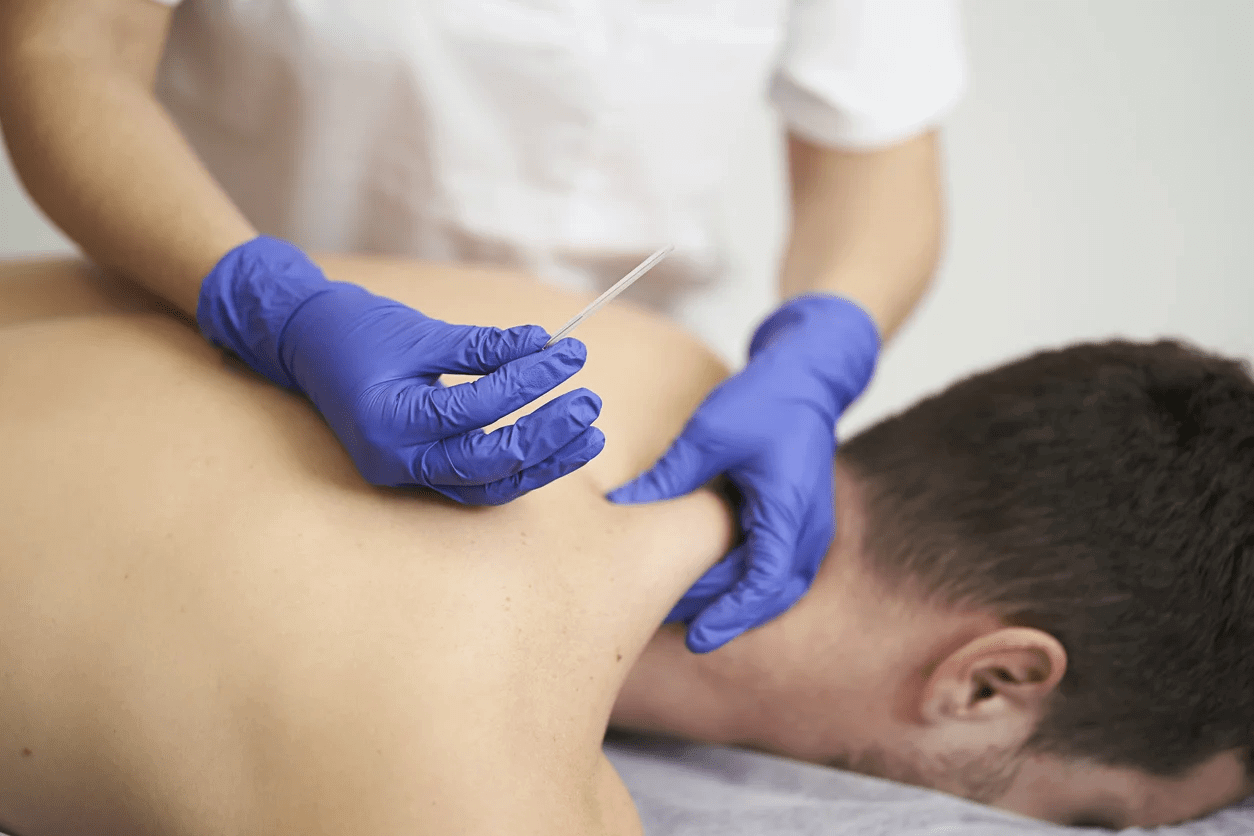
Dry needling is a technique used by specially trained physical therapists to address muscle trigger points and areas of persistent muscle tension.
Using thin filiform needles, the therapist targets specific points within the muscle to help reduce muscle tightness and improve movement. Dry needling may be used for conditions involving:
- Muscle tightness or trigger points
- Neck and back pain
- Shoulder pain
- Sports and overuse injuries
- Chronic muscle tension
Dry needling is typically combined with therapeutic exercise and movement retraining to support lasting improvements in mobility and function.
Hulsey Instrument-Assisted Soft Tissue Mobilization (IASTM)
IASTM uses specialized handheld instruments to help therapists assess and treat areas of soft tissue restriction.
These instruments allow the therapist to apply controlled pressure to muscles, tendons, and connective tissue, which may help:
- Improve soft tissue mobility
- Reduce tissue stiffness
- Support recovery from tendon or muscle injuries
- Improve tolerance to movement and loading during rehabilitation
IASTM is commonly used for conditions such as tendon irritation, muscle strains, and mobility limitations following injury
Hulsey Cupping Therapy
Cupping therapy uses suction applied through specialized cups to gently lift the skin and underlying soft tissue. This technique may help reduce muscle tension and improve soft tissue mobility in areas of restriction.
Physical therapists may incorporate cupping as part of treatment for:
- Muscle tightness
- Postural tension patterns
- Athletic recovery
- Areas of limited soft tissue mobility
Cupping is often used alongside other treatment approaches such as manual therapy and therapeutic exercise.
Hulsey Kinesiology Taping
Kinesiology taping is a technique used by physical therapists to provide light support to muscles and joints while allowing normal movement. The elastic therapeutic tape is applied directly to the skin in specific patterns based on the patient’s condition and treatment goals.
Unlike rigid athletic tape, kinesiology tape is designed to move with the body. It may be used to help:
- Support irritated or fatigued muscles
- Improve body awareness and movement control
- Reduce stress on injured tissues during activity
- Assist with swelling management in certain situations
- Provide support during rehabilitation and return to activity
Kinesiology taping is often used alongside therapeutic exercise, movement training, and other physical therapy treatments. The goal is to support movement and function while patients continue progressing through their rehabilitation program.
Your physical therapist will determine if kinesiology taping is appropriate based on your injury, movement patterns, and stage of recovery.
Hulsey Manual Therapy
Manual therapy refers to hands-on techniques performed by a physical therapist to improve joint motion and soft tissue mobility.
These techniques may include:
- Joint mobilization
- Soft tissue mobilization
- Muscle stretching
- Movement facilitation
Manual therapy is commonly used to help restore movement, reduce pain, and improve the body’s ability to move more efficiently.
How These Techniques Support Recovery
Soft tissue techniques are often used early in rehabilitation to address pain, muscle tension, or movement restrictions that may limit progress with exercise.
By improving tissue mobility and reducing protective muscle guarding, these treatments can help patients participate more effectively in the active components of physical therapy, including strengthening, mobility training, and functional movement retraining.
Your physical therapist will determine which techniques are appropriate based on your individual condition, goals, and response to treatment.
Start Your Recovery with Hulsey Therapy Services
Our physical therapists use evidence-informed techniques and individualized treatment plans to help patients restore movement, reduce pain, and return to the activities that matter most.
If you are experiencing pain, stiffness, or movement limitations, our team can help determine whether these treatment approaches may be appropriate as part of your rehabilitation program.


