
























Loneliness is more than just a feeling. It’s a serious health concern for older adults. Families and caregivers often focus on medical care, safety, and daily needs, but social connection plays a powerful role in a senior’s physical, emotional, and cognitive well-being. At H2 Health Prime Living, we see firsthand how meaningful relationships and engagement can positively impact health outcomes for seniors living in assisted living, independent living, and skilled nursing communities.
In this blog, we’ll explore the connection between loneliness and health in older adults and share practical, actionable ways families, caregivers, and senior living communities can foster social connection.
Why Loneliness Is a Health Risk for Seniors
As people age, life changes such as retirement, loss of a spouse, mobility challenges, or relocation to a senior living community can unintentionally reduce social interaction. While senior living communities offer many opportunities for engagement, loneliness can still occur, especially if a resident is adjusting to a new environment or experiencing health limitations.
Research consistently shows that chronic loneliness in older adults is associated with:
Increased risk of heart disease and stroke
Higher rates of depression and anxiety
Declines in cognitive function and memory
Reduced mobility and physical activity
Increased risk of falls and hospitalization
Loneliness can also affect motivation, making seniors less likely to participate in therapy, exercise, or social activities that support independence and quality of life.
The Role of Senior Living Communities in Promoting Connection
Senior living communities are uniquely positioned to combat loneliness by creating environments that encourage interaction, purpose, and belonging. When social connection is intentionally built into daily routines, residents are more likely to thrive.
Healthcare services, such as physical therapy, occupational therapy, and speech therapy, can play an important role in this process. At H2 Health Prime Living, our therapists don’t just treat conditions; they build relationships, encourage participation, and help residents regain the confidence needed to engage socially.
Practical Ways to Foster Social Connection in Senior Living
1. Encourage Participation in Group Activities
Group exercise classes, walking programs, game nights, and educational workshops give residents a shared purpose and routine. Therapy-led group programs, such as balance classes or cognitive communication groups, combine health benefits with social interaction.
Tip for families: Ask staff which activities your loved one enjoys or might benefit from physically or cognitively, and encourage consistent participation.
2. Support Mobility and Independence Through Therapy
Physical and occupational therapy help seniors move more confidently and safely. Improved strength, balance, and endurance make it easier for residents to attend meals, events, and activities, reducing isolation.
Speech therapy can also help residents who struggle with communication, hearing-related challenges, or cognitive changes feel more comfortable engaging in conversations.
Connection matters: When seniors feel capable, they’re more likely to say “yes” to social opportunities.
3. Create Opportunities for Purpose and Contribution
Feeling needed is a powerful antidote to loneliness. Simple opportunities, such as helping welcome new residents, leading a small group, or participating in community projects, can restore a sense of identity and meaning.
Occupational therapists often help residents rediscover hobbies or adapt favorite activities so they can continue participating despite physical limitations.
4. Foster One-on-One Relationships
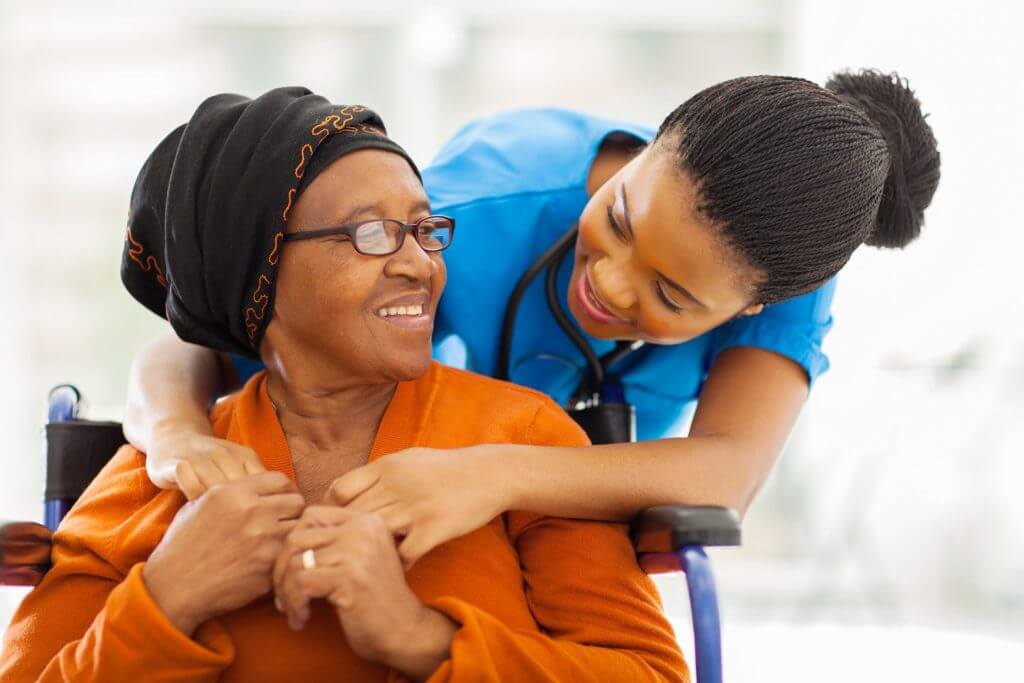
While group activities are important, one-on-one interactions matter too. Regular check-ins from caregivers, therapy staff, or peers can make a significant difference, especially for residents who are quieter or new to the community.
Therapists working consistently within senior living communities often become trusted relationships, helping residents feel seen, heard, and supported.
5. Involve Family and Caregivers
Family involvement plays a key role in reducing loneliness. Regular visits, phone calls, video chats, and shared activities reinforce emotional connection, even when in-person visits aren’t always possible.
Family tip: Coordinate with community staff or therapy teams to understand how your loved one is doing socially, not just medically.
How H2 Health Prime Living Supports Social Well-Being
At H2 Health Prime Living, our on-site therapy services are designed specifically for seniors living in senior living communities. By integrating physical therapy, occupational therapy, and speech therapy directly into the community setting, we help residents:
Stay mobile and active
Communicate with confidence
Participate safely in social activities
Maintain independence and dignity
Build meaningful relationships with familiar caregivers
We believe better health happens when seniors feel connected—not isolated.
Connection Is Care
Loneliness is not an inevitable part of aging. With the right support, environment, and services, senior living communities can become places where residents feel engaged, valued, and connected.
If you’re a family member or caregiver of a senior living in a community, ask how therapy services support not just physical health, but social and emotional well-being too.
H2 Health Prime Living is proud to partner with senior living communities to help residents live healthier, more connected lives.
If you’d like to learn more about our therapy services in senior living communities, contact H2 Health Prime Living today. Rehabilitation professionals, including occupational therapists, can help you connect the dots between national resources and on-the-ground support. At H2 Health Prime Living, we partner with senior living communities to help residents regain control, reconnect with their community, and rediscover their independence in a safe environment. Our team is ready to guide you every step of the way with compassionate, specialized care that’s proven to make a difference.
Contact us today to learn more or schedule an evaluation. Email contactus@h2health.com or learn more about our senior community program through H2 Health Prime Living.


