






















Chronic back pain affects millions of people every year and is one of the most common reasons individuals seek physical therapy for herniated disc. Back pain can come from several sources, and a herniated disc is one of the better-known conditions that can contribute to symptoms for some patients.
A herniated disc can cause back or leg pain that disrupts work, movement, and daily life. Learn what causes disc irritation, common symptoms to look for, and how physical therapy helps reduce pain, improve mobility, and support long-term recovery—without relying on surgery or unnecessary imaging.
Not everyone with back pain has a disc herniation, and not every herniated disc causes pain. Still, when a disc does become irritated or presses on a nearby nerve, it can create symptoms that interrupt daily life. Physical therapy is often one of the most effective first steps to easing those symptoms and helping people return to normal activity.
What is a Herniated Disc?
Spinal discs sit between each vertebra and act as natural shock absorbers. They have a firm outer layer of cartilage and a softer, gel-like center.
Over time, normal age-related changes can make discs less flexible. If the outer layer develops a tear, part of the inner material can push outward. This is often called a herniation. Terms such as bulging, protruding, or ruptured discs describe similar changes in the disc structure, though they are not all identical.
Disc herniations can occur anywhere in the spine but tend to be more common in the lower back.
Signs and Symptoms of a Herniated Disc
Symptoms depend on where the disc is irritated and whether a nerve root is involved. People may notice:
· Pain in the back, buttock, or leg
· Tingling, numbness, or burning down the leg
· Weakness with walking or lifting the leg
· Pain that increases with bending, twisting, coughing, or prolonged sitting
These symptoms do not automatically mean you have a herniated disc, but they are common patterns clinicians look for during an evaluation. Anyone experiencing significant leg weakness, changes in bladder or bowel control, or rapidly increasing symptoms should seek medical care promptly.
What Causes Herniated Discs?
Many herniated discs develop gradually as part of normal age-related change. Others may follow a specific event. Contributing factors can include:
· Repetitive bending or twisting
· Heavy or improper lifting
· High-impact sports
· Traumatic injury
· Genetic factors
· Excess body weight
It’s also important to note that many people show disc changes on imaging without any symptoms at all. Pain occurs when the surrounding tissues or nerves become irritated.
Physical Therapy for Herniated Disc
Physical therapy is a safe, conservative treatment option that supports the body as it heals. A therapist does not “put the disc back in place,” but treatment can significantly reduce pain, improve mobility, and help restore confidence in movement.
Your therapist may use a combination of:
· Movement-Based Assessment– Identifying positions that reduce or increase symptoms helps guide safe progressions.
· Exercises for Mobility and Strength– Improving hip and spine mobility, strengthening the core and legs, and restoring endurance all support long-term back health.
· Load Management Strategies– Adjusting certain movements or activities allows irritated tissues to calm down while still keeping you active.
· Education and Self-Management– Understanding what helps your symptoms, and what doesn’t, is often one of the most powerful tools for recovery.
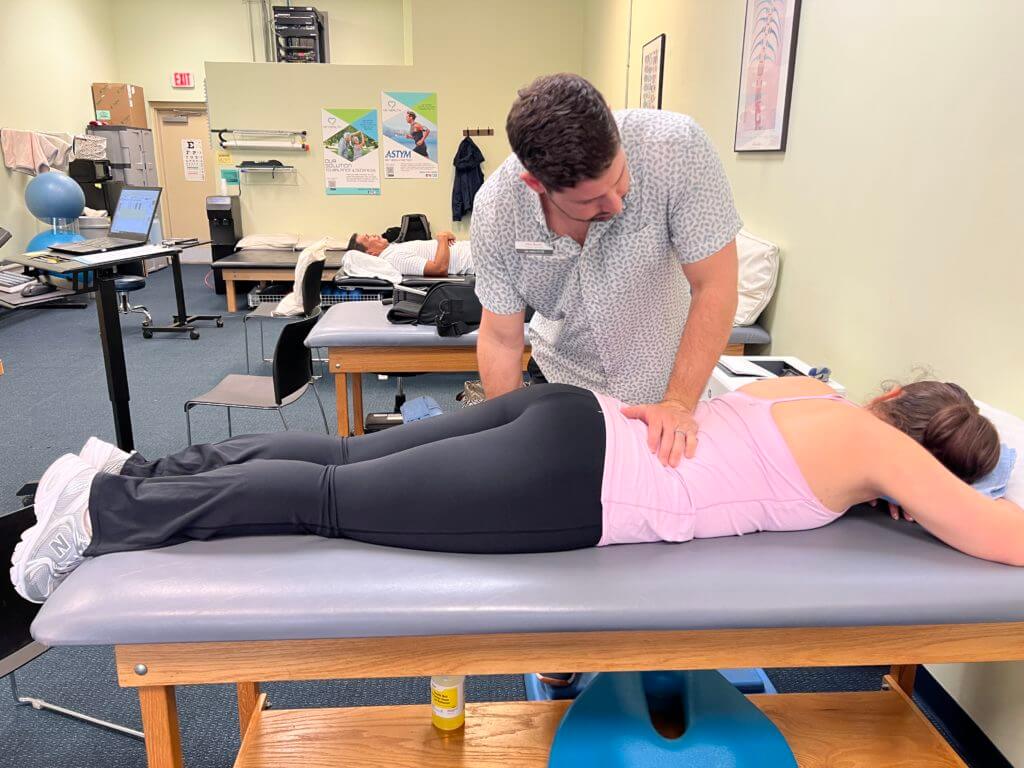
· Manual Therapy– Hands-on techniques may help reduce irritability and improve comfort so exercise becomes easier.
Most people notice improvement through consistent, progressive work rather than one single intervention. Your therapist will tailor your program based on your symptoms, goals, and daily demands.
What to Expect at Your Appointment
A physical therapist will:
· Review your medical history
· Ask about your symptoms and how they change through the day
· Perform a movement exam
· Screen for any red flags
· Develop a plan based on how your back responds
In most cases, imaging is not needed before starting PT unless symptoms point to something more serious.
The H2 Health Difference
If you’re living with back or leg pain, you don’t have to navigate it alone. Early guidance from a physical therapist can help you understand what’s driving your symptoms and how to move toward recovery.
Take the first step toward lasting relief.
Find your nearest H2 Health clinic and start your recovery. Call us at (800) 699-9395 or request an appointment online to visit the best physical therapy clinic near you.
With over 300 locations across the country, we have a clinic close to home. Do not forget about our complimentary screenings to help you determine your therapy needs. Your better health starts here. We look forward to helping you!


