



































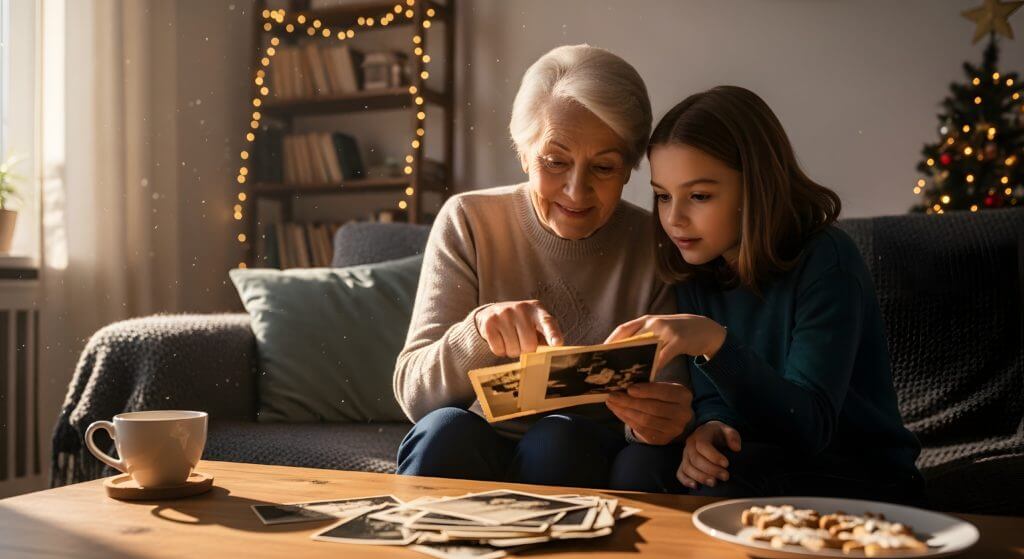
Caring for a senior with dementia can be emotionally challenging, especially when your loved one lives in a senior living community and familiar routines begin to change. While memory loss may be part of the disease, meaningful connection is still possible. One powerful, evidence-based approach that helps seniors reconnect with joy and identity is reminiscence therapy.
Reminiscence therapy uses life stories, familiar objects, photos, music, and memories to stimulate long-term memory, improve emotional well-being, and foster connection. For families and caregivers, it offers a simple yet deeply meaningful way to engage loved ones with dementia right where they are.
What Is Reminiscence Therapy?
Reminiscence therapy is a therapeutic approach commonly used in dementia care that focuses on recalling past experiences rather than recent events. Because long-term memory often remains more intact than short-term memory, reflecting on earlier life stages can feel comforting and empowering for seniors with dementia.
This approach is widely used in:
Senior living communities
Memory care units
Skilled nursing facilities
In-home and outpatient therapy programs
It can be facilitated by trained professionals, such as occupational therapists, speech therapists, or music therapists—but families and caregivers can also participate in meaningful ways.
Why Reminiscence Therapy Is So Powerful for Seniors With Dementia
Reminiscence therapy offers benefits that go far beyond memory recall. Research shows it can help seniors with dementia:
Reduce anxiety, agitation, and depression
Improve mood and emotional regulation
Strengthen communication and social interaction
Enhance feelings of identity and self-worth
Foster stronger connections with caregivers and family members
For seniors living in a senior living community, reminiscence therapy can also help them feel more grounded and secure in an unfamiliar environment.
Using Life Stories to Build Connection
A senior’s life story is a powerful tool. Sharing memories from childhood, career milestones, family traditions, and favorite hobbies can help caregivers see the person beyond the diagnosis.
Ways to incorporate life stories:
Create a Life Story Book with photos, captions, and short anecdotes
Record audio or video interviews with family members
Write simple memory prompts such as:
“Tell me about your first job”
“What was your favorite holiday growing up?”
“Who was your best friend as a child?”
These stories can be shared with staff in the senior living community to help personalize care and improve daily interactions.
Memory Boxes: A Simple Tool That Sparks Joy
A memory box is a collection of meaningful items that reflect a senior’s life, interests, and personal history. Memory boxes are especially effective for individuals with moderate to advanced dementia.
What to include in a memory box:
Family photographs
A favorite scarf, hat, or piece of jewelry
Military medals or service memorabilia
Letters, postcards, or greeting cards
Small tools or objects related to a former career
Music from a favorite era
Religious or cultural items
In senior living communities, memory boxes are often placed outside a resident’s room to support orientation, reduce confusion, and spark conversation with caregivers and visitors.
How Families Can Partner With Senior Living Communities
Families play a vital role in making reminiscence therapy successful. Collaborating with the care team can significantly enhance your loved one’s quality of life.
Tips for families and caregivers:
Share important life details with staff (career, hobbies, preferences)
Update memory boxes as interests change
Ask if therapy services incorporate reminiscence techniques
Encourage participation during visits using familiar objects or photos
Advocate for personalized care approaches
When families and senior living professionals work together, reminiscence therapy becomes even more impactful.
The Role of Therapy Services in Reminiscence Care
Rehabilitation professionals, including occupational therapists, speech-language pathologists, and music therapists, often incorporate reminiscence therapy into dementia care plans.
Therapy services in senior living communities may use reminiscence techniques to:
Improve communication and language skills
Enhance attention and engagement
Support emotional regulation
Encourage meaningful social participation
If your loved one is receiving therapy services, ask how reminiscence therapy is being used as part of their personalized plan of care.
Finding Joy in the Moments That Matter
Dementia may change how memories are accessed, but it does not erase a lifetime of experiences. Through reminiscence therapy, families and caregivers can reconnect with the stories, emotions, and moments that shaped their loved one’s life.
Whether it’s flipping through a photo album, listening to a favorite song, or holding a treasured keepsake, these moments can spark joy, comfort, and connection, reminding everyone involved that the person is still very much there.
Supporting Seniors With Dementia in Our Community
If you are caring for a loved one with dementia in a senior living community, therapy services that focus on dignity, connection, and individualized care can make a meaningful difference. Reminiscence therapy is just one of the many ways seniors can continue to experience purpose and joy—no matter where they are on their journey.
If you or a loved one is navigating dementia care, reach out to us. We can help you connect the dots between national resources and on-the-ground support. At H2 Health Prime Living, we partner with senior living communities to help residents regain control, reconnect with their community, and rediscover their independence in a safe environment. Our team is ready to guide you every step of the way with compassionate, specialized care that’s proven to make a difference.
Contact us today to learn more or schedule an evaluation. Email contactus@h2health.com or learn more about our senior community program through H2 Health Prime Living.


