



































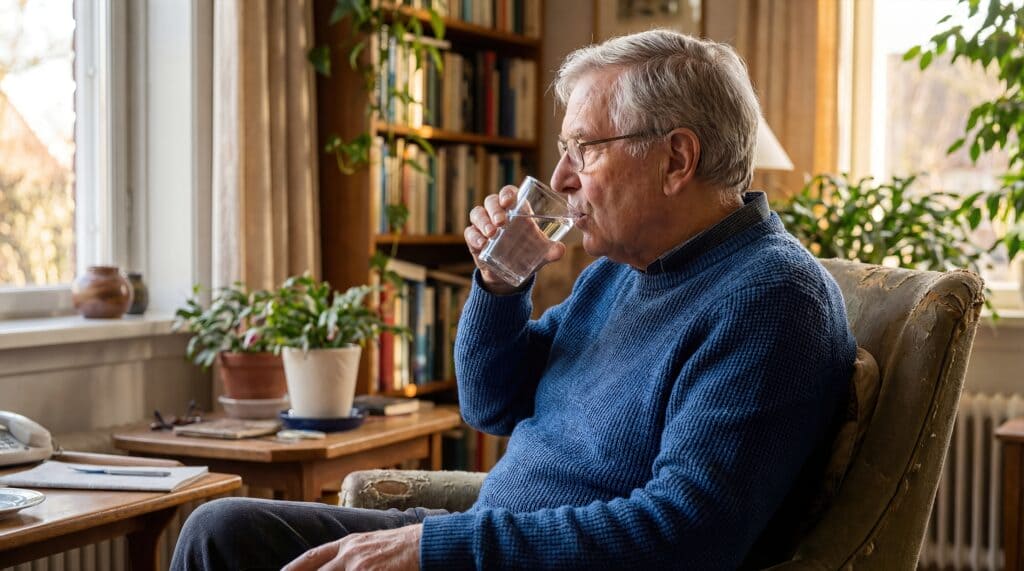
When most people think about dehydration in seniors, they picture hot summer days, outdoor activities, and excessive sweating. But for older adults, dehydration can be just as common, and sometimes more dangerous, during the winter months.
Colder temperatures, lower activity levels, indoor heating, and a naturally reduced sensation of thirst can make it easy for seniors to fall behind on fluid intake without realizing it. Unfortunately, even mild dehydration can affect energy levels, balance, cognition, and overall health.
For seniors and senior living communities, understanding how to recognize and prevent dehydration during winter is an important part of staying healthy, active, and independent throughout the season.
Why Are Seniors More Likely to Become Dehydrated?
As we age, several normal physiological changes can increase the risk of dehydration.
Older adults often:
- Feel less thirsty than younger adults
- May take medications that affect fluid balance
- Have chronic health conditions that influence hydration
- Drink less intentionally to avoid frequent bathroom trips
- Experience illness more severely when dehydrated
One of the biggest challenges is that the body’s thirst mechanism becomes less sensitive with age. This means many seniors may already be mildly dehydrated before feeling thirsty enough to drink more fluids.
During winter, that risk increases even further.
Why Winter Increases Dehydration Risk
Many people assume they need less water during colder weather. While you may sweat less than in summer, your body continues to lose fluids every day through breathing, digestion, and normal body functions.
Cold Weather Reduces Thirst Signals
In colder temperatures, people often experience less thirst despite having similar hydration needs.
Without the reminder of feeling thirsty, it becomes easier to unintentionally drink less throughout the day.
Indoor Heating Creates Dry Conditions
Many homes, apartments, and senior living communities rely on central heating systems during winter.
These systems can:
- Dry out the air
- Increase fluid loss through respiration
- Cause dry skin and dry mouth
- Make mild dehydration harder to recognize
Seasonal Illness Increases the Need for Fluids
Colds, influenza, COVID-19, and other respiratory illnesses are more common during the winter months.
Fever, coughing, and decreased appetite can lead to additional fluid losses. When hydration declines during illness, recovery may become more challenging.
Holiday Schedules Disrupt Healthy Habits
Winter celebrations often bring:
- Travel
- Family gatherings
- Irregular meal schedules
- Increased coffee or alcohol consumption
- Less attention to daily wellness routines
These changes can contribute to lower overall fluid intake.
The Connection Between Hydration, Mobility, and Fall Risk
From a physical therapy perspective, hydration plays a greater role in mobility and safety than many people realize.
Even mild dehydration may contribute to:
- Fatigue
- Muscle cramping
- Dizziness
- Reduced endurance
- Difficulty with balance
- Increased fall risk
For seniors who already experience weakness, arthritis, neuropathy, or balance challenges, dehydration can make these issues more noticeable.
During winter, when sidewalks may be icy and outdoor conditions less predictable, maintaining strength and balance becomes even more important.
How Dehydration Impacts Thinking and Daily Function
Occupational therapists often focus on the impact hydration has on everyday activities and cognitive performance.
Inadequate fluid intake may contribute to:
- Confusion
- Difficulty concentrating
- Reduced attention
- Memory challenges
- Delayed reaction times
- Increased fatigue
These symptoms are sometimes mistaken for normal aging when dehydration may be contributing to the problem.
For older adults living independently or in senior living communities, proper hydration supports safe participation in activities, social engagement, medication management, and daily routines.
Early Signs of Dehydration in Seniors
Recognizing dehydration early can help prevent more serious complications.
Common warning signs include:
Physical Signs
- Dry mouth or dry lips
- Headaches
- Fatigue
- Muscle cramps
- Dark yellow urine
- Increased constipation
- Dry skin
- Dizziness when standing
Functional Signs
- Feeling unusually weak
- Trouble walking longer distances
- Reduced participation in activities
- Increased reliance on furniture or mobility aids
Cognitive Signs
- Confusion
- Increased forgetfulness
- Difficulty focusing
- Irritability
- Reduced alertness
If symptoms become severe, prompt medical evaluation may be necessary.
Practical Hydration Tips for Seniors
Fortunately, preventing dehydration is often easier than correcting it.
Don’t Wait Until You’re Thirsty
A good hydration habit is to drink fluids regularly throughout the day rather than relying on thirst signals.
Try:
- A glass of water upon waking
- Water with meals
- Fluids with medications when appropriate
- A beverage during activity breaks
Choose Warm Hydrating Beverages
Many seniors find it easier to stay hydrated during winter with warm drinks.
Consider:
- Herbal teas
- Warm water with lemon
- Low-sodium broths
- Decaffeinated tea
- Warm milk
These beverages contribute to daily fluid intake while helping seniors stay comfortable during colder weather.
Eat Water-Rich Foods
Hydration doesn’t come only from beverages.
Winter-friendly foods with high water content include:
- Soups
- Stews
- Oatmeal
- Citrus fruits
- Apples
- Pears
- Yogurt
- Cooked vegetables
Keep Fluids Visible
One simple strategy is keeping a reusable water bottle or favorite cup within easy reach throughout the day.
Research consistently shows people are more likely to drink fluids when they are readily available.
Monitor Alcohol and Excess Caffeine
Holiday gatherings often bring increased consumption of alcohol, coffee, and caffeinated beverages.
These drinks do not necessarily need to be avoided, but they should not replace regular water and other hydrating fluids.
Hydration Tips for Senior Living Communities
Senior living communities can help residents stay hydrated by:
- Offering beverages throughout the day
- Providing hydration stations in common areas
- Incorporating soups and water-rich foods into menus
- Encouraging fluid intake during activities
- Monitoring residents who have mobility or cognitive challenges
- Educating families about dehydration warning signs
Small interventions can make a meaningful difference in helping residents maintain health and independence during the winter season.
When a Physical or Occupational Therapy Evaluation Can Help
Dehydration-related symptoms can sometimes overlap with mobility, balance, or functional limitations.
Consider discussing a referral to physical or occupational therapy if an older adult experiences:
- Frequent dizziness
- Recurrent falls
- Declining endurance
- Difficulty with daily activities
- Increased weakness
- Reduced participation in social or community activities
Therapists can help identify contributing factors and provide recommendations that support safer movement, daily function, and overall wellness.
Stay Healthy Throughout the Winter
Winter may not feel like dehydration season, but older adults remain vulnerable to fluid loss throughout the colder months. A reduced sense of thirst, indoor heating, seasonal illnesses, and changes in routine can all contribute to dehydration before obvious symptoms appear.
By recognizing the early warning signs, maintaining consistent hydration habits, and supporting overall physical and cognitive health, seniors can remain active, engaged, and independent throughout the winter season.
At H2 Health Senior Services, our physical and occupational therapy teams are committed to helping older adults maintain the strength, balance, mobility, and functional independence needed to enjoy every season safely.


