



















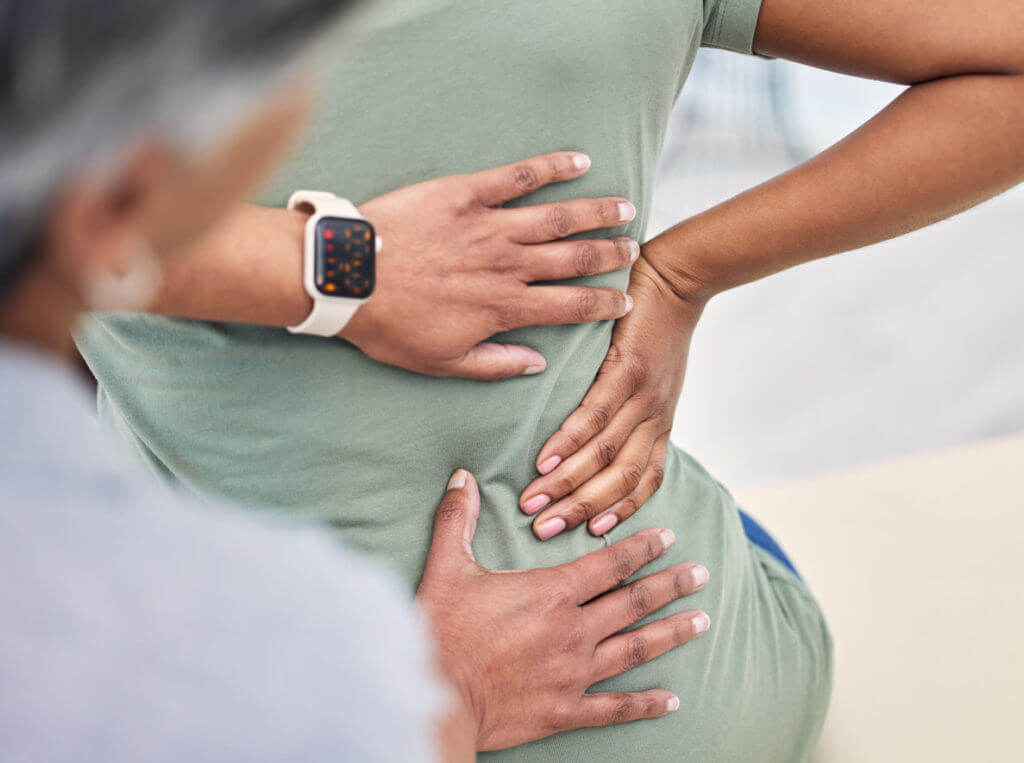
Lower back pain is one of the most common reasons people seek medical care. It can make everyday activities like working, exercising, sleeping, traveling, and spending time with family more difficult than they should be. The good news is that most cases of lower back pain are not caused by a serious medical condition, and
Read MoreThe Healing Power of Music: The Benefits of Pediatric Music Therapy
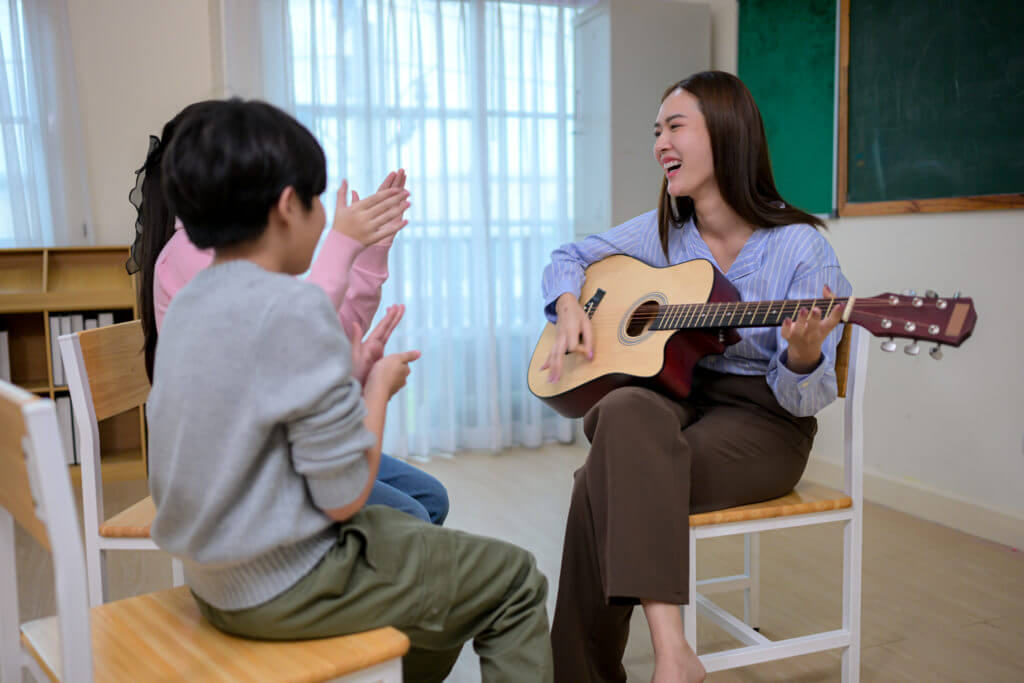
Music has a unique way of reaching children, especially those who struggle to express themselves through words. The benefits of pediatric music therapy are abundant. This therapy is a research-based clinical practice, using active and engaging music making to help kids build cognitive, communication, physical, social, and emotional skills in a playful, low-pressure environment. Learn
Read MoreHome Checklist for Seniors: A Complete Guide to Home Safety Audits for Older Adults
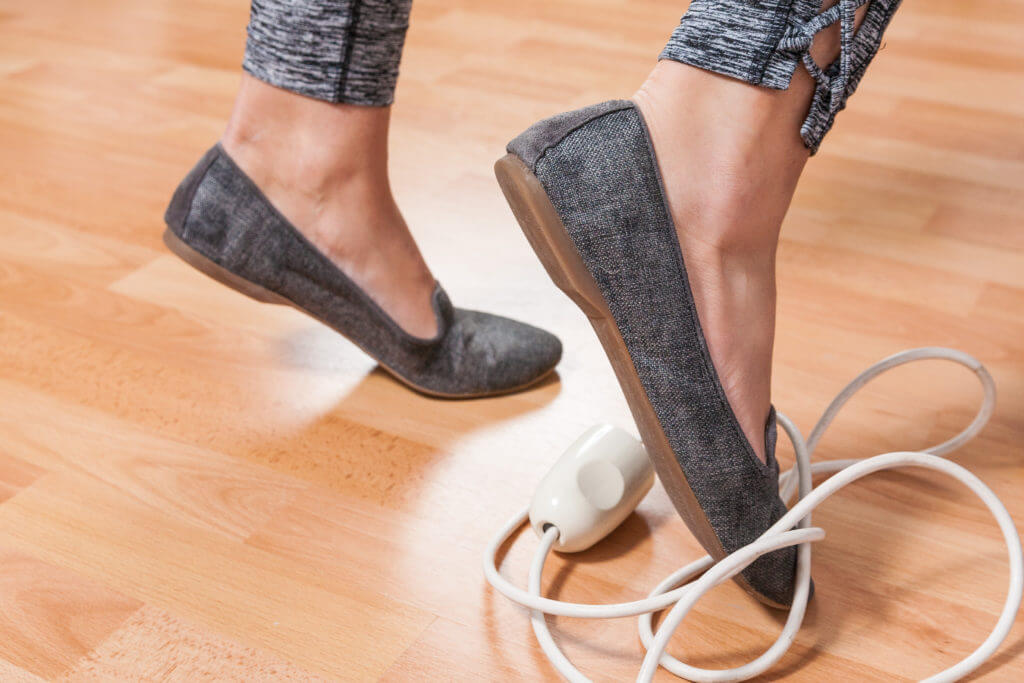
As we age, our homes should continue to be places of comfort, independence, and security. However, many everyday household features can become safety hazards for older adults and individuals with mobility challenges. Falls remain one of the leading causes of injury among seniors, making regular home safety audits an essential part of healthy aging. Whether
Read MoreMay Is Pediatric Speech, Language & Hearing Month: Celebrating Every Child’s Voice

May is Pediatric Speech, Language, and Hearing Month, a time dedicated to raising awareness about how children communicate, connect, and learn. For families, it’s a chance to understand the milestones of communication development, recognize when support may be needed, and celebrate the many ways children express themselves—including with AAC (Augmentative and Alternative Communication). Why Pediatric
Read MoreTry Physical Therapy for Arthritis Pain Relief
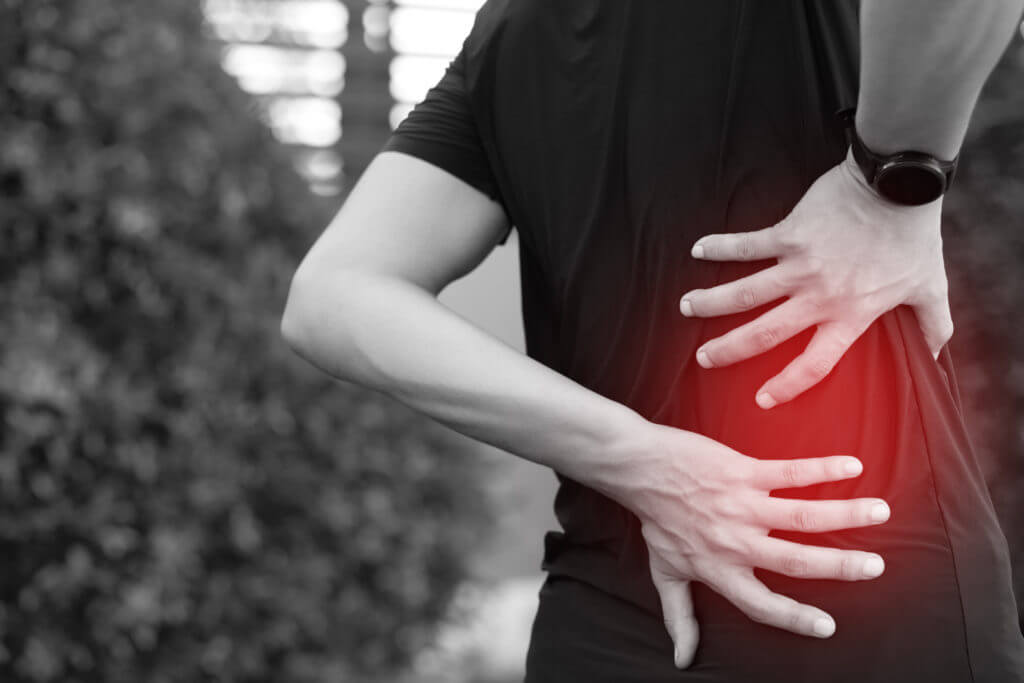
Arthritis is one of the most common causes of joint pain and stiffness, affecting more than 58 million adults in the United States. If you are looking for ways to relieve arthritis pain and stay active, physical therapy for arthritis pain relief can play a key role in helping you move better and feel more
Read MoreAdaptive Equipment for Seniors: What to Recommend and Why
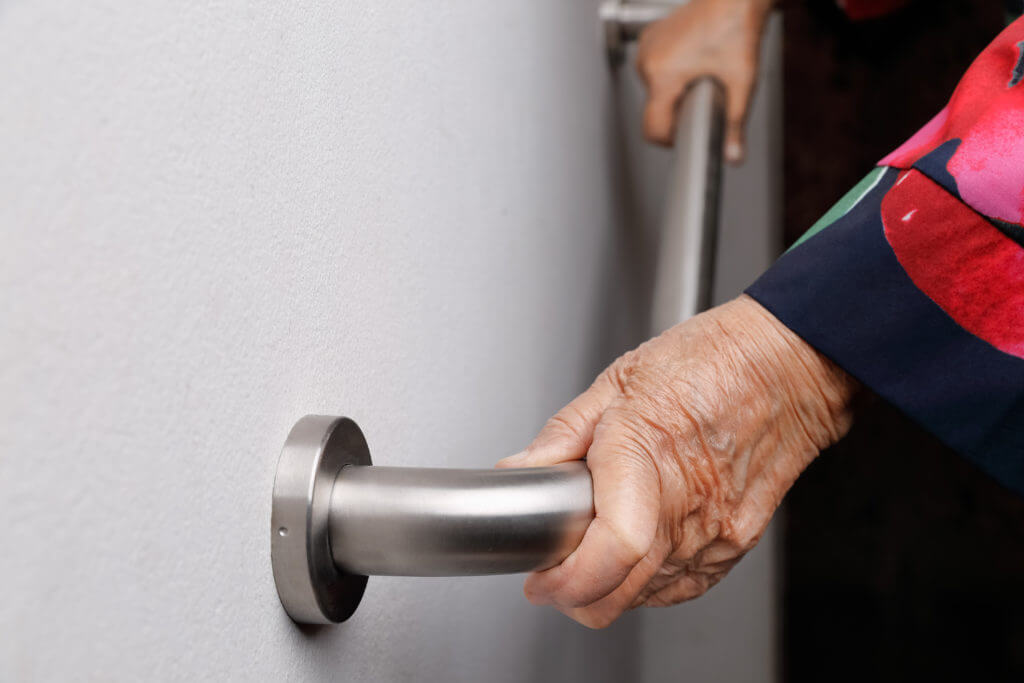
As we age, maintaining independence, safety, and quality of life becomes increasingly important. For many seniors, adaptive equipment plays a key role in supporting daily activities—from getting dressed to moving safely around the home. At H2 Health Senior Living, we believe the right tools, combined with expert guidance from physical and occupational therapy, can empower
Read MoreCelebrating Pediatric Occupational Therapy During OT Month: Helping Children Thrive

Every April, we celebrate Pediatric Occupational Therapy during OT Month! This is a time dedicated to recognizing the incredible work occupational therapists do to help people of all ages live life to the fullest. While OT supports individuals across the lifespan, pediatric occupational therapy holds a special place in many families’ hearts. It’s a field
Read MoreH2 Health Announces Acquisition of Advanced Physical Therapy

H2 Health is excited to expand into the state of Arkansas through a new partnership with Advanced Physical Therapy! This is our first venture into Arkansas with plans to continue to grow into more communities. Our partnerships are carefully selected to help us in our company mission; providing high-quality outpatient therapy services to further grow
Read MoreSprains vs Strains: What’s the Difference and When Physical Therapy Helps
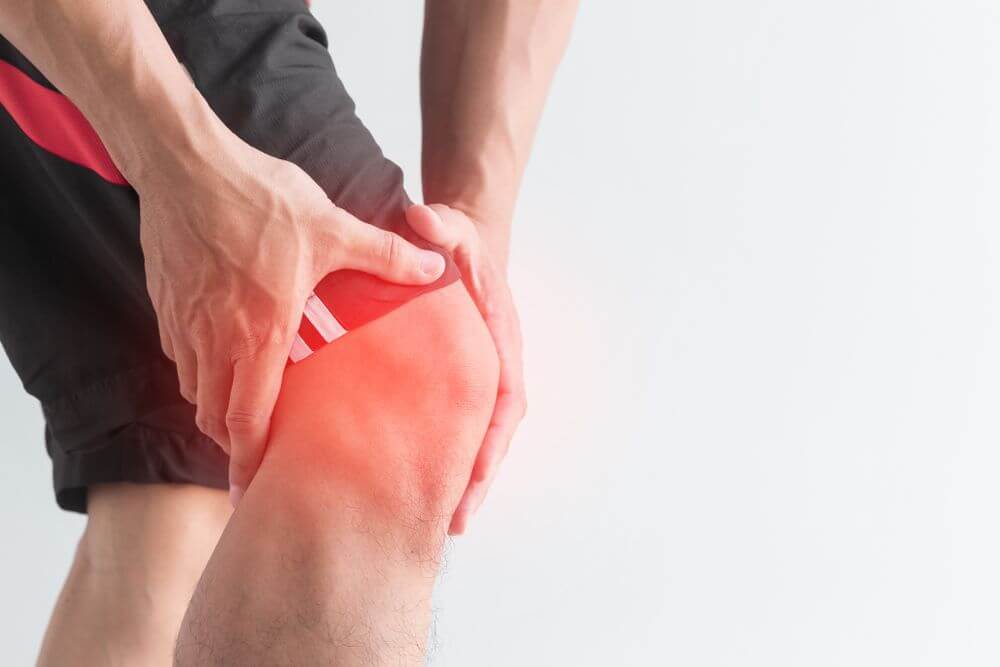
A sudden twist of the ankle, an awkward landing, or a quick change of direction can lead to an injury that stops you in your tracks. Sprains vs strains: what is the difference? These are among the most common musculoskeletal injuries, affecting joints, muscles, and connective tissues throughout the body. While many mild injuries improve
Read MoreMaintaining a Healthy Lifestyle Does Not Have to Be Complicated

Staying healthy often feels like an uphill battle, and finding healthy lifestyle tips online can be overwhelming. Busy schedules, long workdays, and physical aches can make it difficult to stay active. The good news is that maintaining an active lifestyle does not require extreme workouts or complicated routines. Small daily habits can support your health,
Read More

