

























As summer comes to an end, families everywhere are preparing to return to school. While the beginning of a new school year can be exciting, it can also bring unique challenges for children with ADHD, Autism Spectrum Disorder (ASD), sensory processing differences, and other developmental needs. We can help our children and set them up
Read Morepediatric speech therapy
Pediatric Therapy for Autism: How PT OT ST and ABA Therapy Can Help

Autism Spectrum Disorder (ASD) is a developmental condition that affects how a child communicates, interacts, learns, and experiences the world. Every child with autism is unique, meaning their strengths, challenges, and therapy journey will look different. The good news? Early, evidence-based pediatric therapy for autism can make a powerful difference in helping children build skills,
Read MoreThe Healing Power of Music: The Benefits of Pediatric Music Therapy
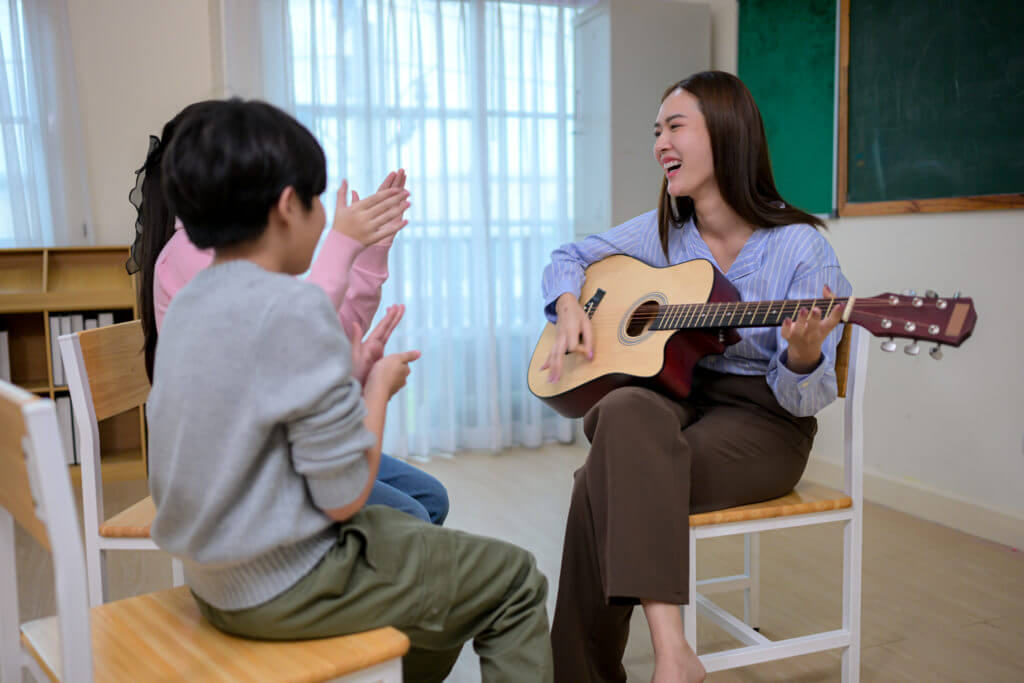
Music has a unique way of reaching children, especially those who struggle to express themselves through words. The benefits of pediatric music therapy are abundant. This therapy is a research-based clinical practice, using active and engaging music making to help kids build cognitive, communication, physical, social, and emotional skills in a playful, low-pressure environment. Learn
Read MoreMay Is Pediatric Speech, Language & Hearing Month: Celebrating Every Child’s Voice
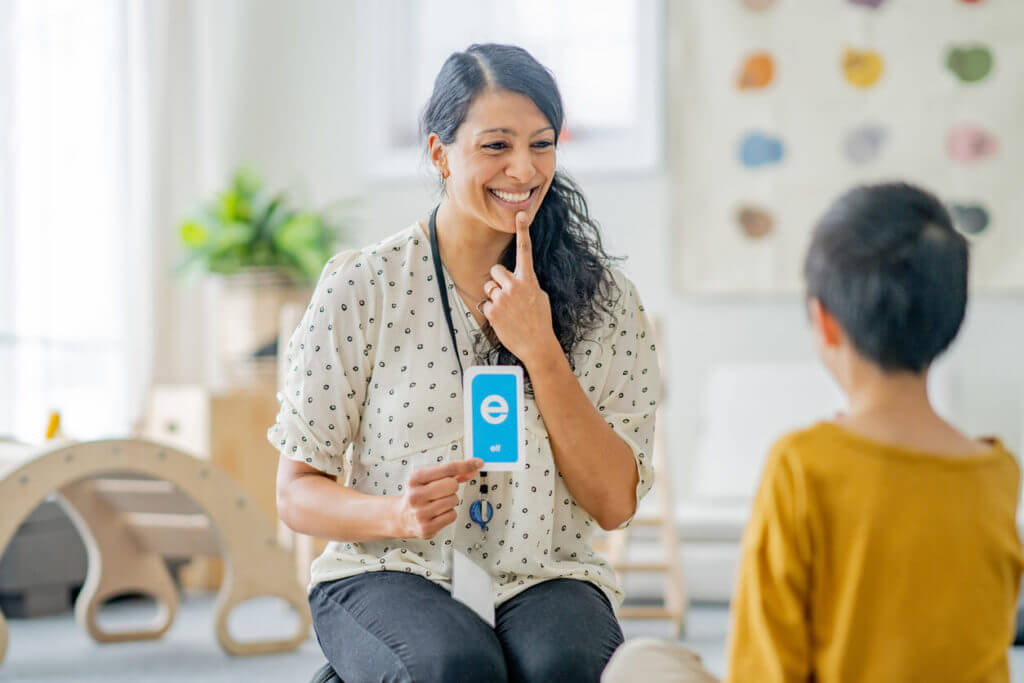
May is Pediatric Speech, Language, and Hearing Month, a time dedicated to raising awareness about how children communicate, connect, and learn. For families, it’s a chance to understand the milestones of communication development, recognize when support may be needed, and celebrate the many ways children express themselves—including with AAC (Augmentative and Alternative Communication). Why Pediatric
Read MoreParent Involvement in Speech Therapy: Tips for Supporting Your Child’s Progress
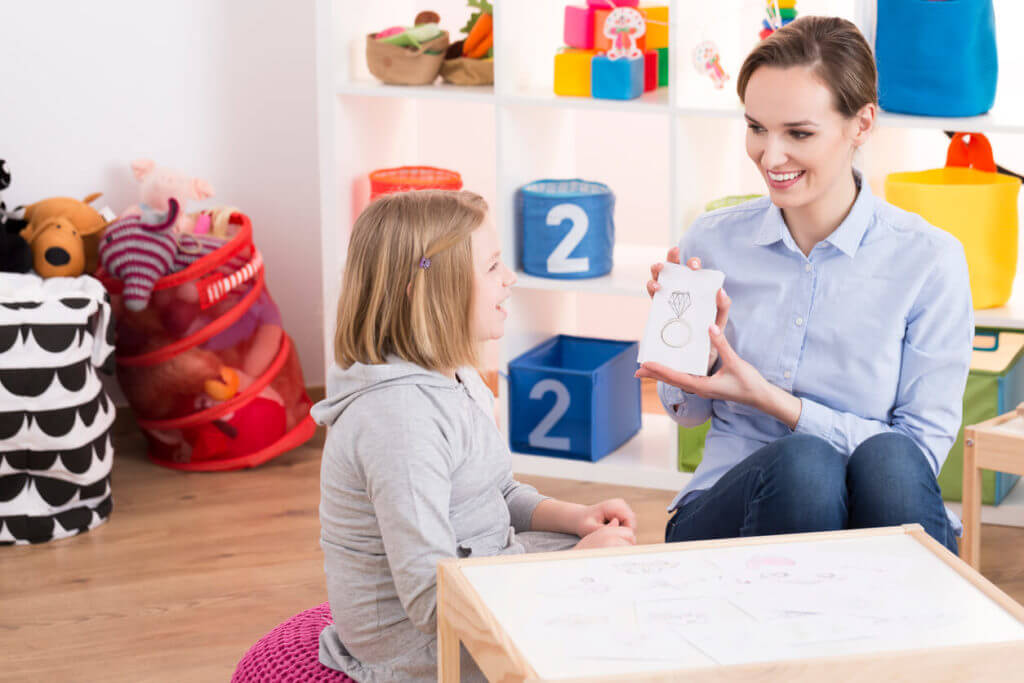
As a parent, watching your child struggle with communication can be heart-wrenching. Fortunately, speech therapy is available to help your child improve their communication skills, if you notice that your child: Has difficulty saying specific sounds, such as “s” or “r” Is behind their peers in language development Uses nonspecific words Has trouble following directions
Read More

