



































As we age, our homes should continue to be places of comfort, independence, and security. However, many everyday household features can become safety hazards for older adults and individuals with mobility challenges. Falls remain one of the leading causes of injury among seniors, making regular home safety audits an essential part of healthy aging.
Whether you’re a family caregiver, healthcare professional, or senior looking to age in place safely, conducting a thorough home safety audit can significantly reduce the risk of falls and injuries while improving overall quality of life.
In this guide, we’ll cover a comprehensive home checklist for seniors, practical safety tips, and how physical therapy and occupational therapy can help older adults remain independent and safe at home.
Why Home Safety Matters for Seniors
According to the Centers for Disease Control and Prevention (CDC), millions of older adults experience falls each year, often resulting in serious injuries such as fractures, head trauma, and reduced mobility.
Common factors that increase fall risk include:
* Poor balance and strength
* Vision changes
* Medication side effects
* Cluttered walkways
* Poor lighting
* Loose rugs and flooring
* Unsafe bathroom setups
* Difficulty navigating stairs
A proactive home safety assessment can identify these risks before an accident occurs.
Home Checklist for Seniors: Room-by-Room Guide
Use this room-by-room checklist to evaluate potential hazards and improve safety throughout the home.
Entryways and Exterior Areas
□ Ensure walkways are level and free of cracks or uneven surfaces.
□ Install sturdy handrails on all steps.
□ Add non-slip surfaces to porches and entryways.
□ Improve outdoor lighting near doors, pathways, and garages.
□ Remove leaves, snow, ice, and debris regularly.
□ Ensure house numbers are visible for emergency responders.
□ Consider a ramp if stairs become difficult to navigate.
Living Room Safety Checklist
□ Remove clutter from walking paths.
□ Secure or remove throw rugs.
□ Arrange furniture to create wide, clear walkways.
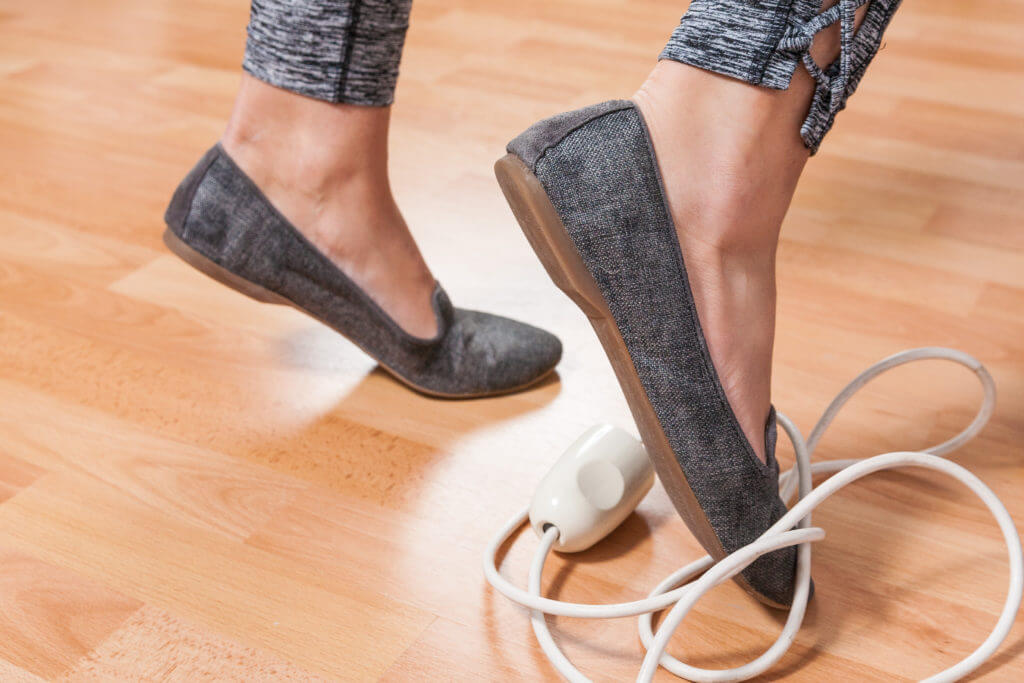
□ Ensure cords and wires are not crossing pathways.
□ Install adequate lighting with easy-to-reach switches.
□ Use stable chairs with armrests to assist standing.
□ Keep frequently used items within easy reach.
□ Consider motion-sensor lighting for nighttime visibility.
Kitchen Safety Checklist
□ Store commonly used items between waist and shoulder height.
□ Use step stools with handrails if reaching high shelves.
□ Keep floors clean and dry.
□ Label medications and food items clearly.
□ Ensure adequate lighting above counters and workspaces.
□ Install pull-out shelves to reduce bending and reaching.
□ Use appliances with automatic shutoff features when possible.
□ Keep a fire extinguisher accessible.
Bathroom Safety Checklist
Bathrooms are among the highest-risk areas for falls.
□ Install grab bars near the toilet and inside the shower or tub.
□ Use non-slip mats in and around bathing areas.
□ Consider a walk-in shower or tub.
□ Install a raised toilet seat if needed.
□ Ensure adequate lighting for nighttime bathroom visits.
□ Use a shower chair for additional stability.
□ Keep toiletries within easy reach.
□ Repair any leaks that create slippery surfaces.
Bedroom Safety Checklist
□ Keep pathways clear between the bed and bathroom.
□ Place a lamp and phone within easy reach.
□ Use nightlights to illuminate nighttime routes.
□ Ensure the bed height allows safe transfers.
□ Remove loose rugs and clutter.
□ Store frequently used clothing and items at accessible heights.
□ Consider bed rails if appropriate and recommended by a healthcare provider.
Stairway Safety Checklist
□ Install handrails on both sides of stairways.
□ Ensure stair treads are secure and non-slip.
□ Improve lighting at the top and bottom of stairs.
□ Mark stair edges with contrasting tape if vision is impaired.
□ Keep stairs free from clutter.
□ Consider a stair lift if stairs become difficult or unsafe.
General Home Safety Checklist
□ Test smoke detectors monthly.
□ Install carbon monoxide detectors.
□ Keep emergency contact numbers accessible.
□ Review medications regularly with healthcare providers.
□ Use medical alert systems if appropriate.
□ Wear supportive, non-slip footwear indoors.
□ Schedule regular vision and hearing evaluations.
□ Create an emergency evacuation plan.
Tips for Fall Prevention and Aging in Place
Beyond the physical environment, several lifestyle habits can help reduce fall risk and support safe aging in place.
Stay Physically Active
Regular exercise helps maintain:
* Strength
* Flexibility
* Balance
* Coordination
* Endurance
Even small improvements in physical function can significantly reduce fall risk.
Improve Home Lighting
Many falls occur because older adults simply cannot see hazards clearly. Increase visibility by:
* Using brighter bulbs
* Adding nightlights
* Installing motion-activated lights
* Reducing glare
Simplify Daily Tasks
Reducing the need to bend, reach, or climb can lower injury risk. Organize frequently used items in easy-to-access locations and use adaptive equipment when necessary.
Review Medications
Some medications can contribute to dizziness, fatigue, or balance issues. Regular medication reviews with a physician or pharmacist can help identify potential concerns.
How Physical Therapy Helps Seniors Stay Safe at Home
Physical therapy plays a critical role in helping older adults maintain independence and prevent falls.
A physical therapist can evaluate:
* Strength
* Balance
* Walking ability
* Mobility limitations
* Fall risk factors
Based on this assessment, a personalized treatment plan may include:
Balance Training
Improving balance can reduce the likelihood of falls during daily activities.
Strengthening Exercises
Building strength in the legs, hips, and core improves stability and mobility.
Gait Training
Physical therapists help seniors improve walking patterns and safely use mobility devices such as canes and walkers.
Fall Prevention Education
Patients learn strategies for navigating their homes and communities more safely.
How Occupational Therapy Improves Home Safety
Occupational therapists focus on helping individuals perform daily activities safely and independently.
An occupational therapist can conduct a comprehensive home safety evaluation and recommend modifications to reduce risks.
Services may include:
Home Modification Recommendations
Examples include:
* Grab bars
* Adaptive equipment
* Raised toilet seats
* Shower chairs
* Improved lighting
* Furniture adjustments
Activities of Daily Living (ADL) Training
Occupational therapists help patients safely complete tasks such as:
* Bathing
* Dressing
* Meal preparation
* Household activities
Energy Conservation Techniques
For individuals with chronic conditions or fatigue, occupational therapists teach strategies to complete tasks more efficiently and safely.
Caregiver Education
Families and caregivers receive guidance on creating a safer environment and supporting independence.
When Should Seniors Consider a Home Safety Assessment?
A professional home safety assessment may be beneficial if:
* There has been a recent fall.
* Walking or balance has become more difficult.
* A new mobility device is being used.
* A hospitalization or surgery recently occurred.
* Family members are concerned about safety at home.
* The goal is to age in place safely for as long as possible.
Early intervention can help prevent injuries and maintain independence.
Partner with H2 Health for Safer Aging
Creating a safer home environment is one of the most effective ways to support healthy aging and reduce fall risk. Combined with the expertise of physical and occupational therapists, a home safety audit can help seniors remain independent, confident, and active.
At H2 Health, our experienced physical and occupational therapy teams work closely with seniors and their families to identify safety concerns, improve mobility, and support aging in place.
Whether you prefer therapy in the comfort of your home or at one of our convenient outpatient clinics, we’re here to help you move safely and live confidently.
Schedule Your Physical or Occupational Therapy Evaluation Today
If you or a loved one could benefit from a home safety assessment, fall prevention program, physical therapy, or occupational therapy services, contact H2 Health today.
Our compassionate team can help create a personalized plan to improve safety, mobility, and independence—at home and beyond.


