






















Music has a unique way of reaching children, especially those who struggle to express themselves through words. The benefits of pediatric music therapy are abundant. This therapy is a research-based clinical practice, using active and engaging music making to help kids build cognitive, communication, physical, social, and emotional skills in a playful, low-pressure environment. Learn
Read MorePhysical Therapy
May Is Pediatric Speech, Language & Hearing Month: Celebrating Every Child’s Voice

May is Pediatric Speech, Language, and Hearing Month, a time dedicated to raising awareness about how children communicate, connect, and learn. For families, it’s a chance to understand the milestones of communication development, recognize when support may be needed, and celebrate the many ways children express themselves—including with AAC (Augmentative and Alternative Communication). Why Pediatric
Read MoreTry Physical Therapy for Arthritis Pain Relief

Arthritis is one of the most common causes of joint pain and stiffness, affecting more than 58 million adults in the United States. If you are looking for ways to relieve arthritis pain and stay active, physical therapy for arthritis pain relief can play a key role in helping you move better and feel more
Read MoreCelebrating Pediatric Occupational Therapy During OT Month: Helping Children Thrive

Every April, we celebrate Pediatric Occupational Therapy during OT Month! This is a time dedicated to recognizing the incredible work occupational therapists do to help people of all ages live life to the fullest. While OT supports individuals across the lifespan, pediatric occupational therapy holds a special place in many families’ hearts. It’s a field
Read MoreSprains vs Strains: What’s the Difference and When Physical Therapy Helps
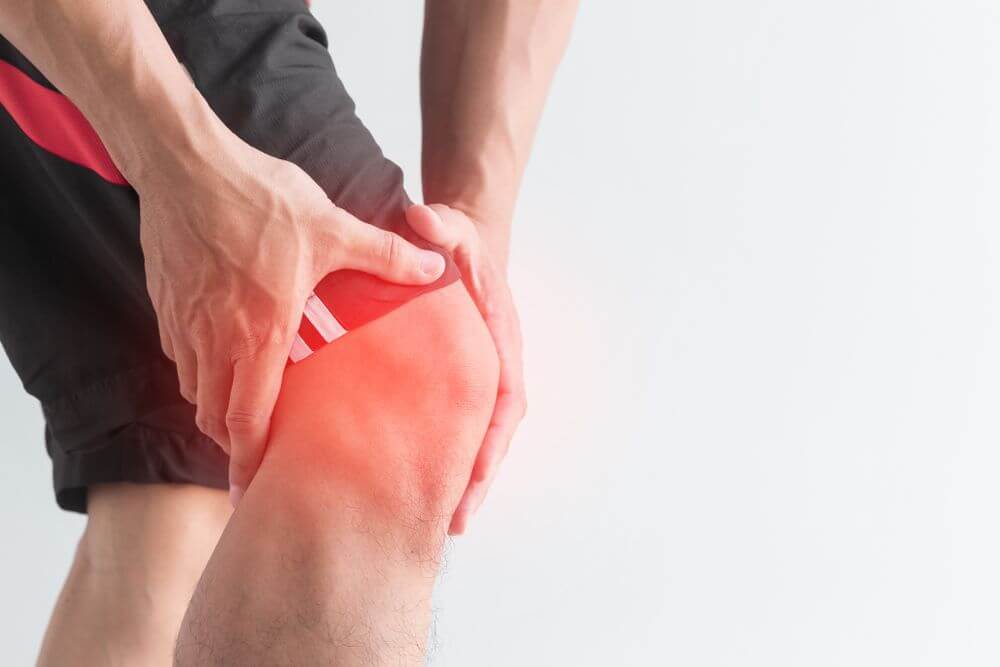
A sudden twist of the ankle, an awkward landing, or a quick change of direction can lead to an injury that stops you in your tracks. Sprains vs strains: what is the difference? These are among the most common musculoskeletal injuries, affecting joints, muscles, and connective tissues throughout the body. While many mild injuries improve
Read MoreMaintaining a Healthy Lifestyle Does Not Have to Be Complicated

Staying healthy often feels like an uphill battle, and finding healthy lifestyle tips online can be overwhelming. Busy schedules, long workdays, and physical aches can make it difficult to stay active. The good news is that maintaining an active lifestyle does not require extreme workouts or complicated routines. Small daily habits can support your health,
Read MoreStress-Related Headaches and How Physical Therapy Can Help

Stress-related headaches, often referred to as tension-type headaches, are commonly associated with tightness in the neck, shoulders, and upper back. Many people describe them as a steady pressure or tightening sensation around the head. While these headaches are usually not dangerous, they can become frequent and disruptive if the underlying contributors are not addressed. Why
Read MoreHow Do You Maintain A Healthy Lifestyle? Tips From A Physical Therapist
Staying active and healthy does not require extreme routines or constant willpower. It requires consistent movement, proper recovery, and support when pain or limitations get in the way. Many people struggle to stay active because of discomfort, fatigue, or uncertainty about what their body can tolerate. A sustainable approach focuses on practical strategies that fit
Read MoreUnderstanding Herniated Discs: What They Are and How Physical Therapy Helps
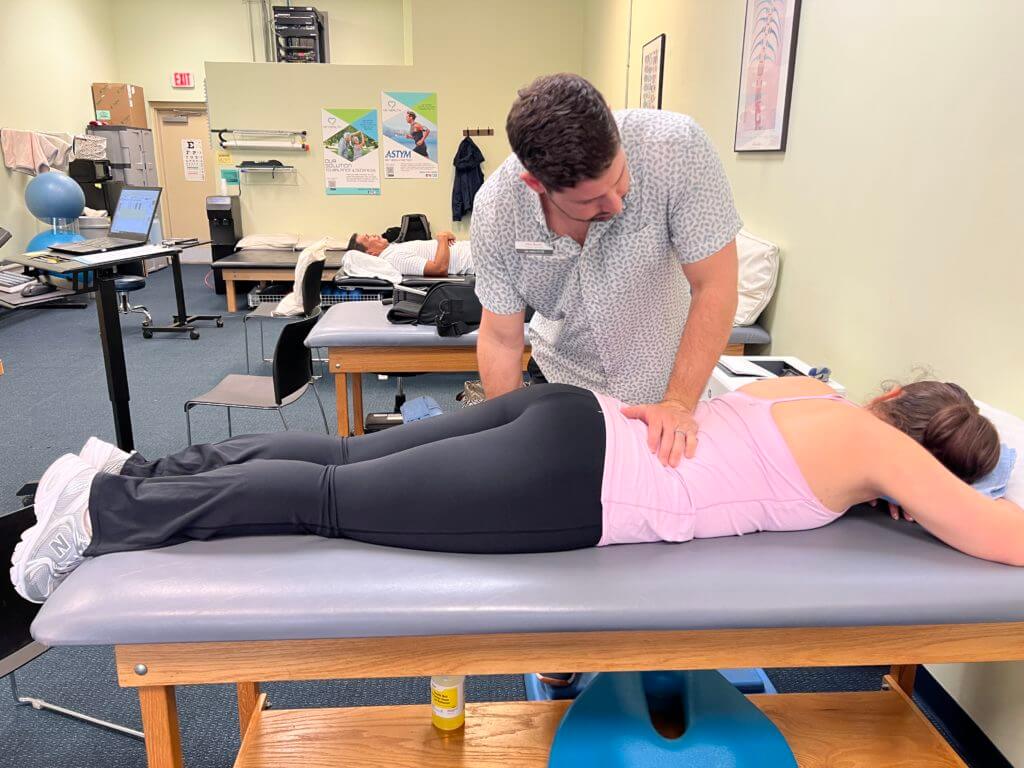
Chronic back pain affects millions of people every year and is one of the most common reasons individuals seek physical therapy for herniated disc. Back pain can come from several sources, and a herniated disc is one of the better-known conditions that can contribute to symptoms for some patients. A herniated disc can cause back
Read MoreCombatting Tech Neck Pain with Physical Therapy

In today’s digital world, screens dominate both work and leisure. Unfortunately, this has led to a growing issue often referred to as ‘tech neck,’ characterized by neck pain and stiffness associated with prolonged device use. If you are noticing the telltale signs of tech neck, physical therapy offers a comprehensive approach to relieve discomfort, correct
Read More

