





















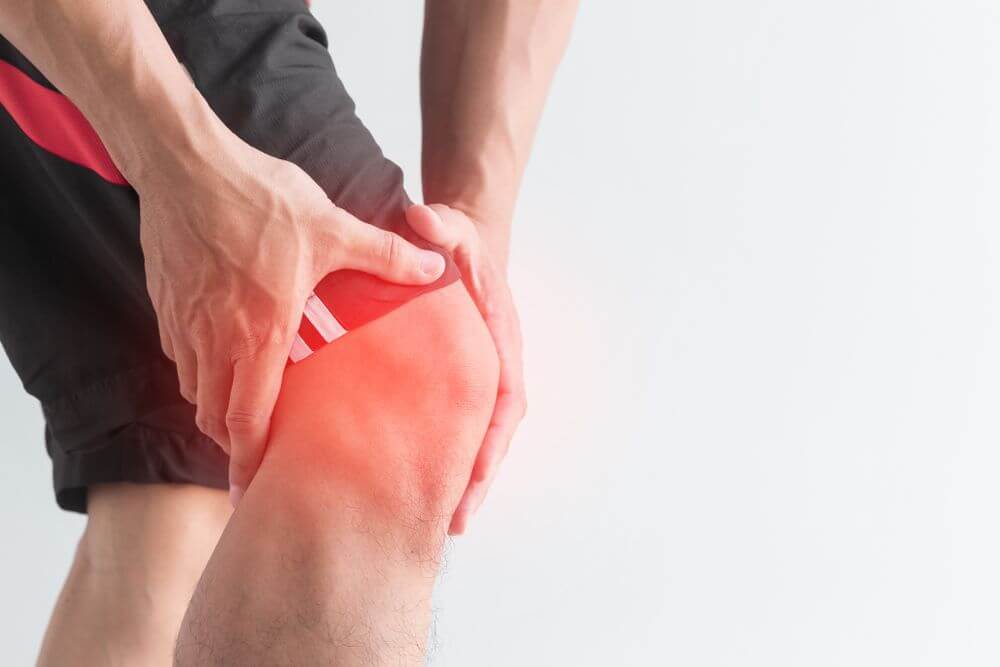
A sudden twist of the ankle, an awkward landing, or a quick change of direction can lead to an injury that stops you in your tracks.
Sprains vs strains: what is the difference? These are among the most common musculoskeletal injuries, affecting joints, muscles, and connective tissues throughout the body. While many mild injuries improve with time, some require guided rehabilitation to fully recover and prevent future problems.
Understanding the difference between a sprain and a strain can help you know when it’s time to seek care.
What Is a Sprain?
A sprain occurs when a ligament is stretched or torn. Ligaments are strong bands of connective tissue that connect bone to bone and help stabilize joints.
Sprains most commonly affect:
• Ankles
• Knees
• Wrists
• Thumbs
These injuries typically happen when a joint is forced beyond its normal range of motion, such as when the ankle rolls inward during walking or sports.
Symptoms of a sprain may include:
• Pain around the joint
• Swelling
• Bruising
• Difficulty bearing weight
• Joint instability
What Is a Strain?
A strain involves injury to a muscle or the tendon that connects muscle to bone. Strains can occur suddenly during activity or develop gradually from repeated stress.
Common areas affected include:
• Hamstrings
• Calf muscles
• Lower back
• Shoulder muscles
Symptoms may include:
• Muscle pain or tightness
• Weakness
• Swelling
• Limited movement
Do Sprains and Strains Heal on Their Own?
Many mild injuries improve within a few days or weeks with rest and gradual return to activity. However, some injuries require professional care. Without proper rehabilitation, the injured area may remain weak or unstable, increasing the risk of future injuries.
You may benefit from physical therapy if you experience:
• Persistent pain lasting more than several days
• Difficulty bearing weight or using the injured area
• Ongoing swelling
• Reduced strength or mobility
• Repeated sprains or strains in the same area
How Physical Therapy Helps Sprains and Strains Recover
Physical therapy focuses on restoring normal movement and safely rebuilding strength after injury.
Treatment plans are tailored to the individual and may include:
• Managing Pain and Irritation: Early treatment focuses on reducing swelling and protecting the injured tissue while healing begins.
• Restoring Mobility: Gentle movement and targeted exercises help restore joint motion and muscle flexibility.
• Rebuilding Strength and Stability: Strengthening the muscles surrounding the injured area helps support the joint and improve overall stability.
• Returning Safely to Activity: Physical therapists guide a gradual return to daily activities, work, and sports to reduce the risk of reinjury.
Research shows that rehabilitation programs focusing on strength, balance, and neuromuscular control can significantly reduce the risk of recurring injuries.
Preventing Future Sprains and Strains
Many injuries occur when activity levels increase faster than the body can adapt.
Physical therapy can help reduce injury risk by improving:
• Strength
• Balance and coordination
• Movement mechanics
• Activity progression
• Addressing these factors helps the body tolerate activity more safely and efficiently.
When to Get an Injury Evaluated
If pain, swelling, or instability is limiting your movement, an evaluation can help determine the best path forward.
Physical therapists are trained movement specialists who can identify the source of an injury and guide recovery with a personalized rehabilitation plan.
The team at H2 Health is here to help you move better, recover safely, and return to the activities you enjoy.
Find your nearest H2 Health clinic and start your recovery. Call us at (800) 699-9395 or request an appointment online to visit the best physical therapy clinic near you.
With over 300 locations across the country, we have a clinic close to home. Do not forget about our complimentary screenings to help you determine your therapy needs. Your better health starts here. We look forward to helping you!


